
Relocate to Brisbane - The Ultimate Guide for Migrants & Expats in 2026
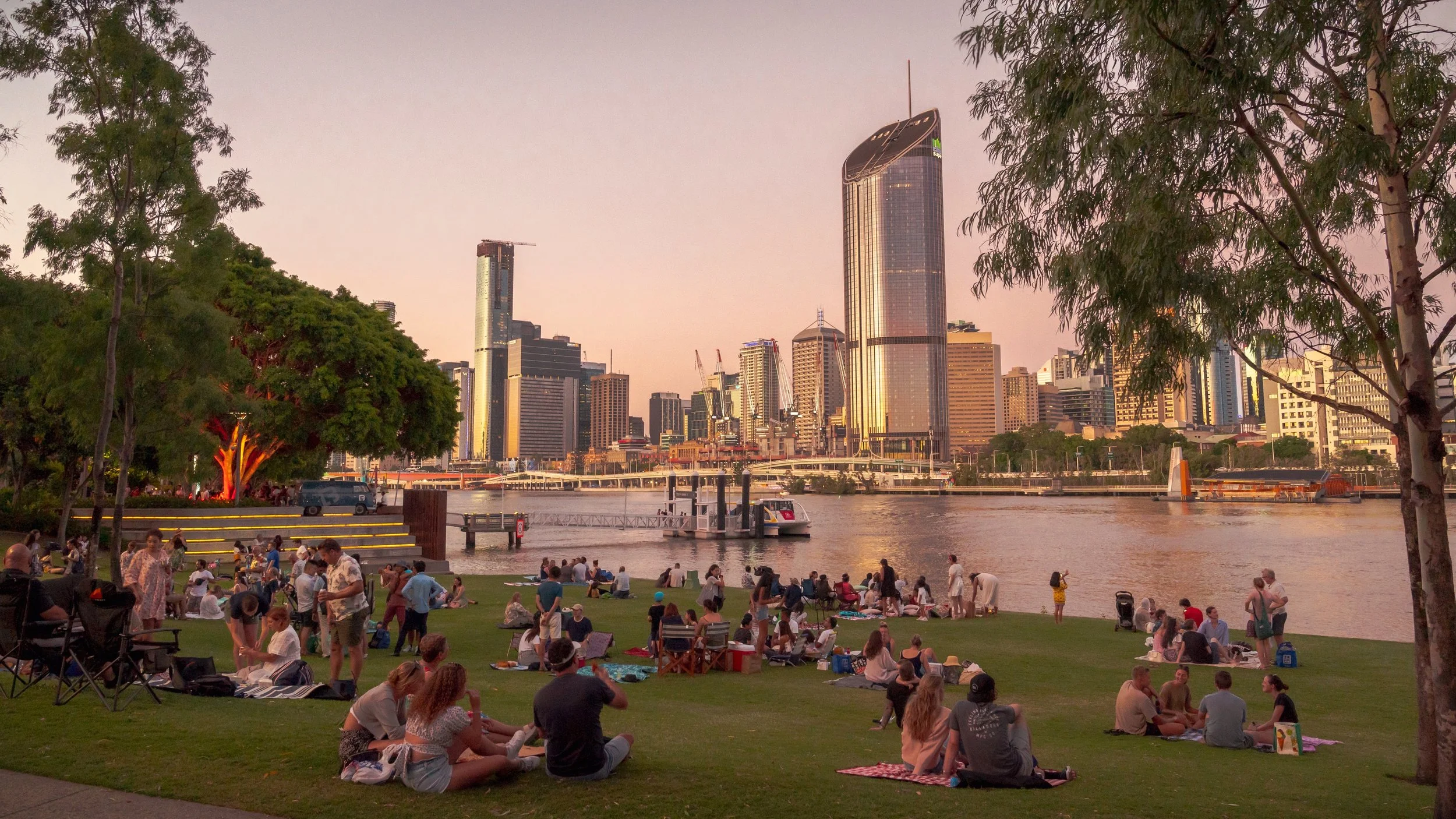
Picnics on Riverside Green in South Bank, Brisbane. South Bank looks across the Brisbane River to the city skyline.
Discover everything you need for a successful move to Brisbane in 2026. From visas and rentals to schools, healthcare, bringing pets, and buying a car - this expert guide has practical steps, costs, and insider tips for your migration.
Table of Contents
1. Introduction to Brisbane
2. Why Move Here?
3. Fast Facts for 2026
4. Planning Your Move
5. Jobs, Careers & Entrepreneurship
6. Visas and Migration
7. Brisbane Districts & Suburbs
8. Which Suburb is Right for You?
9 Housing Options
10. How to Buy or Lease a Car
11. Getting Around
12. School & Education Guide
13. Healthcare
14. Food, Culture, and Sports
15. Cost of Living in 2026
16. Settling In & Socialising
17. Long-Term Tips & Integration
18. Conclusion
Introduction to Brisbane
Want a fresh start that comes with blue‑sky mornings, a river running through the middle of town, and a city that’s big on opportunity but genuinely easy to live in? Whether you’re a migrant family working out school catchments, a professional couple relocating for work, or a parent juggling young kids, Brisbane in 2026 is a seriously solid place to land and settle - fast. It’s a growing capital city with real career pathways, but it doesn’t feel relentlessly busy - you can build a routine here quickly, simply choose your suburb with commute and schools in mind.
This guide is your Brisbane move manual - visas, rentals, suburbs, schools, healthcare, bringing pets, buying a car, cost of living, and the small local details that make a big difference (like why air‑con and window screens matter more than you think!)
Why Move Here Anyway?
Because you want more sunshine in your week, not just your holiday photos.
Brisbane’s appeal is simple: space, warmth, and a calmer rhythm - without giving up career options.
Expect:
An outdoors-first routine: parks, riverwalks, BBQs, and “let’s meet at South Bank” becoming a default plan.
Family-friendly suburb living: bigger homes (relative to other capitals), more backyards, more community sport.
A social city that isn’t trying too hard: friendly, casual, and surprisingly easy to break into if you show up consistently.
A growing economy: strong demand in practical sectors, and long-term confidence that’s visible in cranes, projects, and planning.
Fast Facts for 2026
Here’s a quick, useful snapshot to ground your planning:
Climate: subtropical. Warm to hot summers, humidity that can feel personal, and summer storms that arrive quickly and leave just as fast. Winters are mild and refreshing.
Public transport: cheap and improving. Ferries are genuinely useful (and make your commute feel unfairly pleasant).
Rental market: still competitive. Expect busy inspections, fast applications, and a need to be organised.
Flood awareness: Brisbane has flood-prone pockets. Even if the house is perfect, do your checks before you fall in love.
Pets: if you’re importing cats/dogs, quarantine logistics can shape your timeline even if Brisbane is your final destination.
Planning Your Move
Start by nailing down what’s driving this move. Is it a job offer (or a career reset)? Schools and family life? A calmer pace without giving up city convenience? Better value than the bigger capitals? Or just the feeling that you want life to be a bit lighter day to day.
Once you know the “why,” the “where” gets easier. Commutes. Catchments. Budget. Suddenly it’s not just random suburb scrolling at midnight. Write it down. It will save you from making decisions based on overwhelm or panic.
Start with:
Realistic timeline: Factor in visa applications, term starts, lease cycles, school intakes - and passport renewals if yours is expiring within a year
Written plan, clear docs (passports, school reports, references, rental history, immunisations).
Honest budget: flights, temp stays, rental bond, furniture, removals, car lease/purchase, and first groceries.
Jobs, Careers and Entrepreneurship
Brisbane’s job market is practical and broad. Strong demand commonly shows up in:
healthcare and allied health
construction, trades, and infrastructure
engineering, logistics, and operations
education
government and public sector
professional services and growing tech pockets
Brisbane job-hunting realities:
Australian experience helps - but you can still break in with contracts, project roles, or temp-to-perm pathways.
Networking isn’t optional if you want speed. It doesn’t have to be awkward. It can be a coffee chat, an industry breakfast, or a local meetup where you attend twice and suddenly recognise faces.
Referrals matter. People hire people they trust - so your goal is to become known quickly.
Practical job steps:
Tailor your CV for ATS filters (clear keywords, measurable outcomes).
Update LinkedIn before you arrive; connect with Brisbane-based hiring managers and recruiters.
Build a “quick intro” script for meetups: who you are, what you do, what you’re aiming for.
If your industry needs registration or licensing, start early (these timelines can be longer than expected).
Starting a business?
Brisbane’s small-business ecosystem is friendly and relationship-based. If you’re an entrepreneur, get into:
local chambers and industry groups
startup/community events
council and government business support resources
coworking networks (they’re often the fastest way to meet collaborators)
In summary: treat your first three months like a launch. Show up consistently, follow up quickly, and don’t let one slow week convince you the plan isn’t working.In summary: plan hard, network smart, and don’t freak when your plans fall apart. The best Brisbane stories always start with a surprise.
Visas & Migration (Brisbane / Queensland)
Migration program: For 2025–26, the federal government has set the permanent Migration Program at 185,000 places, with the Skill stream at ~71% (132,200 places).
State nomination (Queensland): Queensland’s State Nominated Migration Program is open with 2,600 places available in 2025–26 — 1,850 for subclass 190 and 750 for subclass 491. It’s competitive and numbers are capped, so treat it like a “get organised early” pathway, not a “we’ll sort it later” one.
National Innovation Visa: The National Innovation visa (subclass 858) replaced the Global Talent visa, which closed to new applications on 6 December 2024. It’s invitation-based, and you’ll generally need to submit an Expression of Interest and demonstrate an internationally recognised record (or the right endorsement) to be in the running.
Before you lock onto one option, review all pathways that might fit your situation - skilled migration, employer-sponsored, student and family visas. Queensland nomination can give Brisbane-bound migrants an extra edge, but read the fine print: the 491 is a regional visa, and for migration purposes most locations outside Sydney, Melbourne and Brisbane are classed as “designated regional areas” (so Brisbane living plans and 491 conditions don’t always line up).
Get your paperwork moving early: passports, references, evidence of funds, and any required certificates/assessments. If Queensland state nomination is on your shortlist, keep a close eye on Migration Queensland’s nomination pathways and occupation lists, and be ready when selection rounds move.
Visa cost planning (real-world budgeting)
(Exact government charges depend on visa type and can change — these are “planning ranges” once you add typical extras like skills assessments, medicals, police checks, translations, and optional professional advice.)
Skilled/family (planning range):AU$8k–10k (single), AU$15k+ (family of four)
Parent migration (contributory pathways): from around AU$48,640 (single applicant, paid in instalments, plus other costs may apply).
Over 100 visa types: it’s worth getting advice for your unique scenario - especially if you’re balancing Brisbane plans with schooling timelines, work sponsorship options, or regional commitments.
Brisbane Districts and Suburbs
Brisbane is a city of pockets. Two suburbs can be ten minutes apart and feel like different lifestyles.
A simple way to understand it: Inner Brisbane (lifestyle + convenience) and Greater Brisbane (space + value + family setups).
Inner Brisbane
CBD & Spring Hill
Central access, walkable, close to offices and transport.
New Farm / Teneriffe / Newstead
River-adjacent, café-rich, apartment-heavy, popular with professionals. Great if you like walking to dinner and feeling like weekends start early.
Fortitude Valley
Nightlife and density. Fun if that’s your era; less fun if you’re craving quiet streets and early bedtimes.
South Brisbane / West End / Highgate Hill
Food, culture, and community energy. West End has personality in every direction — some people adore it, some prefer a calmer pocket nearby.
Paddington / Red Hill
Hills, character homes, boutiques, and a strong “neighbourhood” feel. Beautiful — and yes, you’ll get your steps in.
Toowong / St Lucia / Indooroopilly / Taringa
Leafier, family-friendly, good access to schools and university precincts. A common choice for families who want inner-west calm with city reach.
Bulimba / Hawthorne / Balmoral
A polished, café-and-river lifestyle. Often pricier — but loved for a reason.
Greater Brisbane
Northside family zones: The Gap, Everton Park, Chermside, Aspley
Southside variety: Greenslopes, Holland Park, Mount Gravatt, Mansfield, Carindale
Multicultural food hubs: Sunnybank, Eight Mile Plains, Moorooka
Bayside pace: Wynnum–Manly, Lota, Sandgate, Shorncliffe
More house for your money (longer commutes): Springfield corridor, parts of Logan/Moreton Bay (choose carefully based on work location)
Brisbane tip you’ll hear early: people pick a side of the river and defend it like a sports team. Will you eventually join the debate?!
Which Suburb Is Right for You
The age-old question! Ask a local Facebook group for the “best suburb” and watch fifty passionate answers unfold (plus a debate about trains). The secret? There’s truly a patch for everyone - shortlist based on work, school, and what you actually enjoy doing on weekends. Brisbane-specific filters:
Commute direction matters more than distance. Bridges and bottlenecks can turn “close” into “why did we do this.”
Flood risk checks matter. Don’t skip this step.
Best Areas to Live: Who’s Who
Inner-city, walk-to-everything: Newstead, Teneriffe, South Brisbane
Creative + food + community: West End, Highgate Hill
Family favourites (balanced lifestyle): Indooroopilly, The Gap, Mansfield, Carindale, Camp Hill
Leafy, established, close-in: Paddington, Red Hill, Toowong
Bayside calm: Wynnum, Manly, Sandgate, Shorncliffe
Great value with a commute trade-off: Springfield Lakes and selected outer corridors (work location decides if this is brilliant or painful)
Housing Options
You’ll see a mix of:
apartments and townhouses (common inner and near transport)
classic timber Queenslanders (gorgeous, breezy… and sometimes maintenance-heavy)
brick family homes in middle-ring suburbs
newer developments further out
Renting first (recommended for many newcomers)
Renting buys you time to learn:
the school and childcare situation
commute realities
what each suburb feels like day to day
where you naturally spend time on weekends
What to expect in Brisbane rentals:
competitive inspections
fast application turnaround
Queensland bond is typically up to 4 weeks’ rent for general tenancies - and it’s capped even if a “pet bond” is mentioned. (Good to know before you budget a surprise extra.)
Practical rental tips:
Prepare a rental resume (IDs, proof of income, references, short intro).
Apply quickly when you find the right place.
Inspect for air-conditioning, screens, ventilation, and signs of mould.
If a property is near waterways or low-lying areas, do flood checks before you commit.
Buying later can make sense - but Brisbane is a “pocket city,” and renting first often prevents expensive regret.
How to Buy or Lease a Car (Brisbane / Queensland)
All visa holders can buy; need ID, a valid licence(and if you move to Queensland on a resident visa, your ability to drive on an overseas licence can be withdrawn after 3 months, so plan to transfer to a Queensland licence if required).
Buy via dealer (safer, paperwork handled) or private sale (often cheaper, but more risk)
Always get a safety certificate (QLD “roadworthy”) and a PPSR check
In Queensland it’s called a safety certificate - you generally need a current one recorded for rego transfer, and there are fines if a seller disposes of a registered vehicle without it.
Do a $2 PPSR search to check for money owing / stolen / written-off status.
Leasing: Novated lease (via employer), finance/operating leases, plus short/long‑term rentals for newcomers
Used hatchbacks: ~AU$8,000+ (condition and kilometres rule the price), new cars: ~AU$25,000+, plus registration/insurance
Book a RACQ pre‑purchase inspection (recommended)—especially for private sales, or anything that looks “too good for the price.” All visa holders can buy; need ID, valid licence (swap to Victorian within 6 months)
Buy via dealer (safe, paperwork) or private sale (cheaper, more risk)
Always get a roadworthy certificate and PPSR check
Leasing: Novated lease (via employer), finance/operating leases, short/long-term rentals for newcomers
Used hatchbacks AU$7,000+, new cars AU$22,000+, plus registration/insurance
Book a RACV inspection (recommended)
Getting Around (Brisbane)
CityCats on the river, buses that do most of the heavy lifting, trains that connect the suburbs — and a city layout that will quickly teach you which bridges you avoid at peak hour.
Translink: your must‑have for public transport (buses, trains, ferries). Getting started is simple: use a go card, and in many cases you can also tap on with a bank card or phone.
Driving: generally easy, but the river shapes commutes. The CBD has one‑way streets, busy pedestrian areas, and parking that’s more “occasionally” than “every day.”
Car purchase/leasing: Newcomers can buy or lease. If you’re on an overseas licence, check Queensland’s transfer rules early. Inspect before buying, run a PPSR check, and consider a RACQ pre‑purchase inspection. Novated leasing can work well if you’re employed.
School & Education Guide (Brisbane)
Everything parents need to know about early childhood, schools, selective programs, and university in Brisbane — plus clear rules on age cut‑offs, immunisations, and subsidies (because nothing says “fresh start” like a deadline you didn’t know existed).
Early Childhood Education: Kindy and Childcare
Kindergarten (Kindy)
In Queensland, the big one is Kindy (kindergarten) — and it’s typically the year before Prep.
Kindy (the year before Prep):
Children can attend kindy in the year they turn 4 by 30 June. Programs run in both sessional kindergartens and long day care settings (handy if you’re working and need full‑day care wrapped around it).
Cut‑off (the one that catches people out):
Your child must be 4 by 30 June in the year they attend an approved kindergarten program.
Example: if your child turns 4 on 29 June 2026, they can do kindy in 2026. If they turn 4 on 10 July 2026, kindy is usually 2027.
Child Care Subsidy (CCS)
This matters for budgets (and sanity).
All approved services (long day care, family day care, OSHC) can be eligible for Child Care Subsidy.
From 5 January 2026, CCS has a big upgrade: all CCS‑eligible families can get at least 72 hours of subsidised child care per fortnight (3 days/week) — the “3 Day Guarantee.”
Free Kindy
Queensland’s “free kindy” offer is real — and it makes a big dent in fees.
Free Kindy provides 15 hours per week for up to 40 weeks per year in an approved program.
It can be delivered through sessional kindergartens and long day care services (so you’ll see it advertised in both formats).
Immunisation requirement
This is not the section to freestyle.
Early childhood services may require an Immunisation History Statement (from the Australian Immunisation Register (AIR)).
Queensland legislation gives services the ability to refuse enrolment or attendance if parents don’t provide the immunisation history statement within a reasonable timeframe (per the service’s policy).
Primary School (Prep–Year 6)
Prep (first year of school)
Prep is the first formal year — and in Queensland it’s a big deal:
Prep is compulsory before Year 1.
Children must be 5 by 30 June in the year they enrol in Prep.
You can choose to delay Prep by one year if you feel they’re not ready — but when they start, they still start in Prep.
School becomes compulsory from 6 years and 6 months (until 16 or completion of Year 10, whichever comes first).
Primary school types in Brisbane
Government (State) schools:
Brisbane state schools work on local catchment areas — your address matters, and some schools operate under enrolment management plans (capacity rules).
Use EdMap to check your catchment (and note: catchments can vary by year level and enrolment year).
Catholic schools:
Open to many families (not just Catholics), usually moderate fees, strong community vibe.
Independent / Private schools:
Huge range (traditional, faith-based, Montessori/Steiner, high‑performing, specialist). Fees vary wildly — always read the “extras” line items, not just tuition.
Immunisation (primary)
For school, requirements differ from early childhood services — but practically, you’ll still want your AIR statementhandy because it’s routinely requested across enrolments and childcare transitions.
Secondary School (Years 7–12)
Standard path
Years 7–12 are secondary schooling, leading to senior results and tertiary pathways.
Compulsory education:
Compulsory schooling: from 6 years and 6 months until 16, or completion of Year 10.
After that comes Queensland’s compulsory participation phase: young people must be “learning or earning” until they gain a recognised qualification, participate for two years after compulsory schooling ends, or turn 17.
Qualifications (Queensland-specific)
QCE (Queensland Certificate of Education):
Queensland’s senior secondary schooling qualification (usually awarded at the end of Year 12).
ATAR (Australian Tertiary Admission Rank):
Issued to eligible Year 12 students in Queensland and used for entry to many university courses (0–99.95). In Queensland, the ATAR is issued through QTAC.
Selective Entry & Specialist Options (Brisbane / SEQ)
Queensland doesn’t work like Melbourne’s “sit one exam, pick your school” model. In Brisbane, the two big drivers are:
Catchments (yes, postcode planning is basically a sport)
Selective / specialist programs with their own applications and tests
Queensland Academies (selective entry, IB)
If your child is academically high‑achieving and wants the IB pathway, the Queensland Academies are the headline option in SEQ — including Brisbane campuses:
QACI (Kelvin Grove)
QASMT (Toowong)
(Plus QAHS on the Gold Coast, which some Brisbane families still consider.)
How it works:
These are academic selective entry schools. Places are awarded through a merit process and require an application, entrance testing, and (for some campuses) interview/shortlisting.
Example timeline (real dates, because parents deserve facts):
For Year 10 entry in 2027, Queensland Academies Admissions lists published key dates for QACI including:
Applications close: Friday 5 June 2026 (4pm)
Testing date: Saturday 20 June 2026
Also note:
Remote testing can be arranged in certain circumstances, but it comes with rules and lead time.
Test dates can differ by campus and intake — always check the admissions page for your chosen Academy.
Specialist schools/programs beyond Academies:
Brisbane also has specialist offerings (music excellence programs, language programs, STEM-focused pathways, sport academies) in various schools — each with its own entry process. The practical move is to shortlist suburbs afteryou’ve identified whether you’re chasing: a specific catchment, a specialist program, or a private school place.
Universities and Higher Education in Brisbane
Brisbane is a serious uni city — lots of local students, lots of international students, and plenty of pathways (uni, TAFE, bridging programs) depending on where you’re starting from.
Major Brisbane universities:
The University of Queensland (UQ) — main campus St Lucia (plus other sites).
Queensland University of Technology (QUT) — campuses at Gardens Point and Kelvin Grove.
Griffith University — key Brisbane campuses include Nathan and South Bank.
Australian Catholic University (ACU) — Brisbane campus at Banyo.
For school leavers, tertiary entry is commonly based on Year 12 results + ATAR (and prerequisites), managed through QTAC.
For International Families and Temporary Visa Holders
This is where Brisbane differs from what many families assume.
Queensland’s Temporary Residents Admissions (TRA) team assists families on temporary visas to enrol in state schools (including dependants of student visa holders, bridging visas, tourist visas).
Queensland has specific fee rules for temporary residents — and some families may be exempt (for example, certain school‑age dependants of student visa holders may qualify for fee exemption).
Planning numbers (2026 fees):
The published temporary residents fee schedule includes (for dependent students):
Prep–Year 6: $314 per week (2026)
Years 7–9: $322 per week (2026)
Year 10: $340 per week (2026)
(plus application fees and other conditions).
Key reminders for 2026
Kindy: child must be 4 by 30 June.
Prep: child must be 5 by 30 June (and Prep is compulsory before Year 1).
Catchments: check EdMap before you sign a lease — boundaries and year-level settings matter.
CCS: from 5 Jan 2026, every CCS‑eligible family can access at least 72 hours per fortnight.
Immunisations: keep your AIR statement current; early childhood services can require it and can refuse enrolment/attendance if it isn’t provided.
Selective entry: Queensland Academies have published deadlines — treat them like flight check‑in times, not friendly suggestions.Everything parents need to know about early childhood, schools, selective programs, and university in Melbourne - plus clear rules on age cut-offs, immunisations, and subsidies.
| Stage | Age / Cut-Off | Key Requirements
| Kindy (Kindergarten) | Turn 4 by 30 June (that year) | Approved program; Free Kindy available (15 hrs/week); AIR immunisation statement often required |
| Prep | Turn 5 by 30 June (that year) | Prep is compulsory before Year 1; birth/ID docs; catchment rules apply |
| Primary (Years 1–6) | Compulsory schooling starts at 6 years 6 months | Catchment-based enrolment (EdMap); ongoing attendance requirements |
| Secondary (Years 7–12) | Compulsory until 16 or Year 10 | “Learning or earning” participation phase until qualification / 2 yrs / age 17
| Senior qualification | End of Year 12 | QCE (Queensland Certificate of Education); ATAR via QTAC for eligible students |
| Selective entry (Queensland Academies) | Entry typically at Year 10 | Application + Edutest entrance testing (dates vary by campus; published deadlines) |
| CCS / Free Kindy | Ages 0–5 | CCS rules updated Jan 2026 (72 hrs/fortnight minimum); Free Kindy 15 hrs/week
Healthcare in Brisbane
Whether you’re a seasoned brunch-goer or just survived your first big night at Suncorp, everyone here gets access to a system that’s part public (Medicare), part private (because Australians love a good upgrade), and extremely committed to making you better and sending you home with a smile. The Australian system combines public and private care, giving residents and visitors treatment options to match their needs and visa status.
Public Healthcare (Medicare)
Medicare is Australia’s universal healthcare scheme. It covers key services for citizens, permanent residents, and some temporary visa holders from countries with a Reciprocal Health Care Agreement (RHCA) - including the UK, New Zealand, Ireland, and several European nations.
What Medicare Covers:
Free treatment as a public patient in a public hospital
Subsidised visits to GPs (family doctors)
Reduced-cost appointments with medical specialists
Free or subsidised diagnostic tests (blood tests, X-rays, scans)
Prescription medicines under the Pharmaceutical Benefits Scheme (PBS)
Access: Apply for a Medicare card as soon as you arrive, using identity and visa documents at a Medicare Service Centre. You’ll need it for GP visits, hospital care, and PBS prescriptions.
Private Healthcare
Even if you’re eligible for Medicare, many residents also take out private health insurance for:
Choice of hospitals and doctors
Shorter wait times for non-urgent procedures
Extras like dental, optical, physiotherapy, or chiropractic care
Private hospital rooms
Work visa holders from non-reciprocal countries often need private health cover to meet visa conditions, so it’s worth checking your visa requirements early.
Private health funds commonly used in Brisbane include: Medibank, Bupa, HCF, NIB, HIF, and GMHBA. Policies vary by coverage tier (hospital only, extras, or combined), so it’s worth comparing plans.
Hospitals & Clinics in Brisbane
Brisbane has an extensive network of public and private hospitals, renowned for quality and innovation. Some of the largest hospitals include:
Royal Brisbane and Women’s Hospital (Herston): Queensland’s largest teaching and research hospital (major adult hospital services).
Princess Alexandra Hospital (Woolloongabba): emergency, medical, mental health and surgical services, including transplant; leading academic and research centre.
Queensland Children’s Hospital (South Brisbane): major specialist paediatric hospital for Queensland (and a centre for teaching and research).
The Prince Charles Hospital (Chermside): major teaching and tertiary referral hospital (well-known for cardiothoracic strengths).
Mater Hospital Brisbane / Mater Mothers’ Hospital (South Brisbane): major adult services (including a 24-hour adult emergency department at Mater Hospital Brisbane) plus one of Australia’s largest maternity services through Mater Mothers.
Public hospitals provide free treatment for Medicare-eligible patients. If you hold private cover, you can choose your own specialist and may face shorter wait times.
There are also walk-in GP medical clinics, bulk-billing practices, and after-hours telehealth providers across the city.
Emergency Services
Emergency number: 000 (for ambulance, police, or fire).
Emergency departments: Located in all major hospitals.
Urgent care and after-hours GP clinics: Available citywide for non-life-threatening problems.
Ambulances: Queensland is different to many other states - there’s no cost for ambulance treatment and transport for Queensland residents (including treatment/transport that happens interstate). Visitors can be charged, so check your coverage if you’re not yet classed as a Queensland resident.
Maternal, Child, and Family Care
Brisbane provides excellent support for families:
Child health nurses can check on newborns and young children, and home visits may be available (especially early on).
Public maternity hospitals (including services through Mater Mothers, plus major public hospitals) provide antenatal, birth, and postnatal care.
Child, youth and family health services / child health clinics offer appointments for baby checks, feeding support, and parent guidance.
Mental Health and Community Support
The city has extensive mental health services, both public and private, including:
Psychological counselling (via Medicare rebates or private plans)
Crisis helplines (Lifeline, Beyond Blue)
Community-based mental health programs under hospitals and local services
Pharmacies and Medicines
Prescription drugs are subsidised under the Pharmaceutical Benefits Scheme (PBS).
Pharmacies (known as “chemists”) are found throughout shopping strips and neighbourhoods.
Common non-prescription medicines are available over the counter.
Concession holders pay less once they reach the PBS Safety Net.Whether you’re a seasoned brunch-goer or just survived your first AFL match, everyone here gets access to a system that’s part public (Medicare), part private (because Australians love a good upgrade), and extremely committed to making you better and sending you home with a smile. The Australian system combines public and private care, giving residents and visitors treatment options to match their needs and visa status.
Food, Culture and Sports (Brisbane)
Brisbane eats well - and it does it outdoors whenever possible. Give it a few weeks and you’ll be having strong opinions about where to get the best dumplings, the best charcoal chicken, or the best “quick coffee” that somehow turns into brunch.
The food scene is always on:
Markets: Think Davies Park (West End) on a Saturday, Jan Powers farmers markets, Rocklea markets for serious fruit-and-veg value, and the kind of pop-up stalls where you arrive for “just a snack” and leave with pastries, mangoes, and a full lunch plan.
Bakeries & sweet things: Brisbane’s bakery culture is quietly elite - flaky pastries in the inner suburbs, old-school family bakeries in the middle ring, and enough lamingtons, slices, and celebration cakes to keep every birthday, school fete, and “we survived the week” moment covered.
Global eats: Every cuisine has its pocket. Sunnybank is a full weekend food mission all by itself, Inala has legendary Vietnamese options, West End is a mix of everything (often with a queue), and Fortitude Valley and James Street are where you go when you want a “nice dinner” that still feels relaxed. And when you want a fun, easy introduction to Brisbane eating culture? Eat Street Northshore is basically a newcomer rite of passage.
Arts & Culture: Brisbane’s creative scene has grown into something genuinely exciting. The Gallery of Modern Art and QAG make for an easy culture day, QPAC anchors the theatre and performance scene, and areas like Fish Lane and South Brisbane give you that “wander, discover, stay for a drink” energy. Big-ticket events like Brisbane Festival (and Riverfire fireworks) put the city in full celebration mode - the kind where locals suddenly become very proud tour guides.
Sports: Sport here is a social language. Rugby league is huge, and a packed night at Suncorp Stadium is the quickest way to understand why locals get emotionally invested. AFL at the Gabba is also a big deal, cricket seasons have their own rhythm, and the calendar fills up with everything from running events to netball and community sport. Even if you don’t follow any of it yet, you’ll no doubt get swept along by the atmosphere.
The Great Outdoors: Brisbane is built for fresh air. South Bank Parklands and Streets Beach make “swim in the city” a normal weekend option, the Riverwalk and CityCat ferries turn commuting into something almost enjoyable, and Mt Coot-tha is your go-to for views and a quick escape. Then there’s the bigger playground: bayside walks, island day trips, and easy weekends to the Sunshine Coast, Gold Coast, or hinterland when you want a reset without a big travel plan.
In Brisbane, food, fun, and sport aren’t add-ons - they’re part of how the city works, how people connect, and how newcomers start to feel like locals sooner than they expected.
Cost Of Living in 2026
Brisbane is sunny, friendly, and (usually) easier on the wallet than Sydney - but it’s not a bargain capital anymore. You’ll still get great lifestyle value for what you spend, but a clear budget is what helps you arrive feeling excited… not financially ambushed.
Housing and Utilities
Rent (typical Brisbane ranges):
Inner/inner-adjacent 1‑bed apartment: $520–$780/week
3‑bed suburban house: $650–$1,050/week
Context check: Brisbane’s median rent (Dec 2025 quarter) sat around $670/week for houses and $650/week for units.
Rental bond: Usually 4 weeks’ rent (Queensland caps the maximum bond at 4 weeks for general tenancies — even if someone tries to label it a “pet bond”).
Utilities (varies with air‑con use):
Electricity: $180–$350/month (summer can push this higher if you’re running cooling daily)
Gas (if connected): $20–$80/month
Water: $50–$100/month (some rentals pass water on if the property meets water efficiency rules)
Internet: $70–$110/month for NBN plans (faster plans cost more)
Groceries and Everyday Expenses
Weekly grocery shop (family of 4): $200–$330 (Aldi/Coles/Woolies + markets)
Cafe or takeaway coffee: $4.50–$6.50
Casual meal out: $20–$40 per person
Date night at a mid‑range restaurant: $110–$200 for two
Transport
Public transport (Translink):
Flat fare: 50 cents per trip on most SEQ public transport (buses, trains, trams, and Brisbane ferries — excluding Airtrain and a few specific services).
For many newcomers, this is a huge budget win: commuting costs can be surprisingly low if you choose a suburb with decent transport links.
Petrol:
$1.70–$2.30 per litre (it cycles — budget with a buffer)
Car costs:
Used car (family‑friendly): $8,000–$25,000
Insurance: $700–$2,000/year depending on cover and driver profile
Registration (rego): commonly ~$840–$1,065/year for many standard cars (Queensland charges vary by cylinder count; a typical 4‑cylinder total is around $840.70–$847.70 as at 1 Jan 2026).
Childcare & Education
Childcare (out‑of‑pocket, after CCS): $80–$170/day depending on your subsidy, suburb, and centre.
Kindergarten: Queensland’s Free Kindy provides 15 hours/week for up to 40 weeks/year in approved programs.
Private school tuition: commonly $10,000–$36,000+ per year (top Brisbane schools can sit in the mid‑$30k range before levies/extras).
Catholic school fees: often ~$2,500–$6,500/year depending on the school and year level (plus levies and extras).
Public schools:
For eligible residents: generally tuition‑free (voluntary contributions and extras still apply).
Temporary visa holders: tuition may apply unless exempt — a common planning figure for 2026 is $314/week for Prep–Year 6 (≈ $12,560 over a 40‑week school year) and $322/week for Years 7–9 (≈ $12,880), with senior years higher.
Healthcare
Medicare: GP costs vary by clinic — some bulk‑bill (free), many charge and you claim a rebate back. It’s smart to budget $80–$110 for a standard consult if you’re not bulk‑billed.
Prescription medication (PBS):
$25.00 max per script throughout 2026 (with a Medicare card).
Concession card: $7.70 max (frozen for several years).
Ambulance: one Brisbane bonus — Queensland residents don’t pay for ambulance treatment and transport(including interstate). Visitors can be charged, and Medicare doesn’t cover it, so check your status and insurance.
Lifestyle: Fun and Fitness
Gym membership: $60–$120/month
Cinema ticket: $16–$26
Major sport ticket (NRL/AFL games): $30–$80 depending on seat and match
Children’s weekend sport or activities: $200–$550 per term
Sample Monthly Budget (Family of 4, Renting)
Item — Monthly Estimate (AUD)
Rent: $3,000–$4,200
Utilities: $250–$450
Internet/Phone: $110–$180
Groceries: $1,200–$1,450
Transport: $80–$180 (public) or $500+ (with car)
Childcare/School: $400+ (after rebates, if used)
Health (inc. insurance & out‑of‑pocket): $120+
Eating Out/Takeaway: $300–$600
Entertainment/Sport: $120–$350
Miscellaneous: $200–$450
Total: $6,080–$8,960+ (biggest swing factors are rent + childcare)
Tips
Inner suburbs and top school catchments cost more — but Brisbane still has solid value in the middle ring, bayside pockets, and well‑connected suburbs that aren’t “brand name” areas.
Mix market shopping into your normal grocery routine - it saves money and makes you feel like you’ve unlocked Brisbane life faster.
Public schooling and Medicare can keep major costs down; private schooling, multiple cars, and “extras” are where budgets blow out quickly.
Use the 50‑cent fares to your advantage - choosing a suburb with a train line, frequent buses, or ferry access can save serious money over a year.
Settling In and Socialising (Brisbane)
The first weeks after arriving in Brisbane are a blur of admin, new faces, and figuring out which bus actually goes where (and why everything seems to involve a bridge). Don’t fret. Thousands of people do this every year, and you’ll find your rhythm sooner than you think.
Sort your essentials:
Secure your first address as priority number one. Most banks let you open an account online before arrival, and setting up utilities (electricity, gas if you have it, water, internet) is much easier once you’ve got a lease or proof of address. If you’re house-hunting, keep a short-term base for a few weeks so you’re not applying for rentals in panic mode.
Documents you’ll actually use:
You’ll need your ID, visa, and proof of address for almost everything: getting a phone plan, setting up Medicare (if eligible), enrolling your child in school, registering for childcare, joining the library, and sometimes even signing up for a gym.
Setting up your new life:
Get familiar with your local council early - Brisbane is a city of suburbs and each area has its own community vibe. Councils and local community hubs often share practical “new resident” info: rubbish collection days, local parks, community centres, libraries, events calendars, and kid-friendly programs. Many government services (like Medicare and Centrelink, depending on your situation) can be set up online or in service centres across the metro area.
Finding your way:
Google Maps is your best friend (until you start navigating by river bends and “that roundabout near the park”). Set up your Translink access early - buses, trains and ferries will cover a lot in the first few months, and if you live near the river, the CityCat can make commuting feel almost unfairly pleasant.
Socialising in Brisbane
Making friends in a new city can be tricky. Brisbane is friendly in a low-key way: it might take a few weeks, but once you start repeating the same places - the school gate, the local park, the weekend market - you’ll notice familiar faces appearing fast.
Clubs & Activities:
There’s a group for everything: park runs, netball and footy clubs, Pilates studios, hiking groups, surf clubs (if you’re coastal), community choirs, language exchanges, and craft classes. Libraries and community centres are also surprisingly good for finding free or low-cost activities - especially for kids.
Neighbourhood vibes:
Brisbane suburbs are mini-communities. Turn up to the weekend market, check noticeboards at local shopping strips, or join a “locals” Facebook group for your suburb. Community festivals, outdoor movies, school fetes, and council-run events are easy ways to meet people without the pressure of “making friends” being the whole point.
School and Parent Networks:
If you have kids, school drop-offs and parent groups are social goldmines. Many schools and kindy centres run welcome events, morning teas, working bees, and weekend sport; those casual chats turn into real friendships quickly (plus you’ll get the insider tips on uniforms, excursions, and which café has the best post‑drop‑off coffee).
Online connections:
Local Facebook groups (think “Brisbane Northside Mums,” “Southside Community,” or suburb-specific pages) are invaluable for recommendations, hand‑me‑downs, finding a great GP, and the occasional “has anyone seen my dog?” moment. Meetup, Eventbrite, and WhatsApp groups can also help new arrivals plug in quickly.
Almost everyone was new once. Brisbane locals are usually happy to share recommendations, directions, and their favourite swimming spot or market stall. If you lean in just a little, you’ll soon find yourself doing the same for the next wave of newcomers.
Long-Term Tips & Integration (Brisbane)
Settling in for the long haul in Brisbane? Here’s how to make it easy, enjoyable, and genuinely feel like home.
Find local routines.
Pick a regular market, a river walk, and a café you can rely on - Brisbane starts to feel familiar fast once you’ve got a few “this is our spot” rituals in the week.
Connect with your community.
Show up to council events, local festivals, and neighbourhood markets. Drop by libraries and community centres for free or low‑cost classes, kids’ activities, and workshops - it’s one of the quickest ways to meet people without forcing it.
Keep learning.
Try a short course, volunteer to build new skills, or join a hobby group. Brisbane has everything from cooking classes and business meetups to language exchanges and weekend sports clubs - and you’ll be surprised how quickly familiar faces turn into friends.
Prioritise wellbeing.
Register with a local GP and dentist early (future you will be grateful), and make the outdoors part of your routine. River paths, parks, walking groups, gyms, community sport - Brisbane makes it easy to stay active without needing a big plan.
Tap into multicultural networks.
Find migrant associations, language groups, and community organisations in your area. They’re great for practical advice, social support, and celebrating culture - especially in those first months when you’re building your new circles.
Explore family activities.
Brisbane’s calendar is packed with school fetes, kids’ workshops, markets, outdoor movies, food festivals, and easy “let’s go for an hour” outings - parks, South Bank, bayside walks, and weekend day trips when you’re ready.
Ask for help when needed.
There are settlement services, council support channels, and local Facebook groups full of people who remember what it’s like to be new. No question is too small - and Brisbane locals are usually happy to point you in the right direction.
Conclusion
Brisbane really does welcome newcomers - moving here is a big step, but with time, routines, and a few friendly faces, Brisbane starts to feel wonderfully normal. You’ll work out which suburbs fit your life, where to find your “regular” coffee, and how to keep sunscreen in the car because… Brisbane.
And remember: exploring is half the fun. If you hit a roadblock or just want a friendly voice who’s been through it all, our team at Homeward Australia is here to help. We’ve worn your shoes, and we never tire of turning big or small questions into clear steps. Consider this your sign to reach out - no question is too little, and every move deserves to feel supported. Welcome to Brisbane!