
How to Secure a Rental Before Arriving in Australia
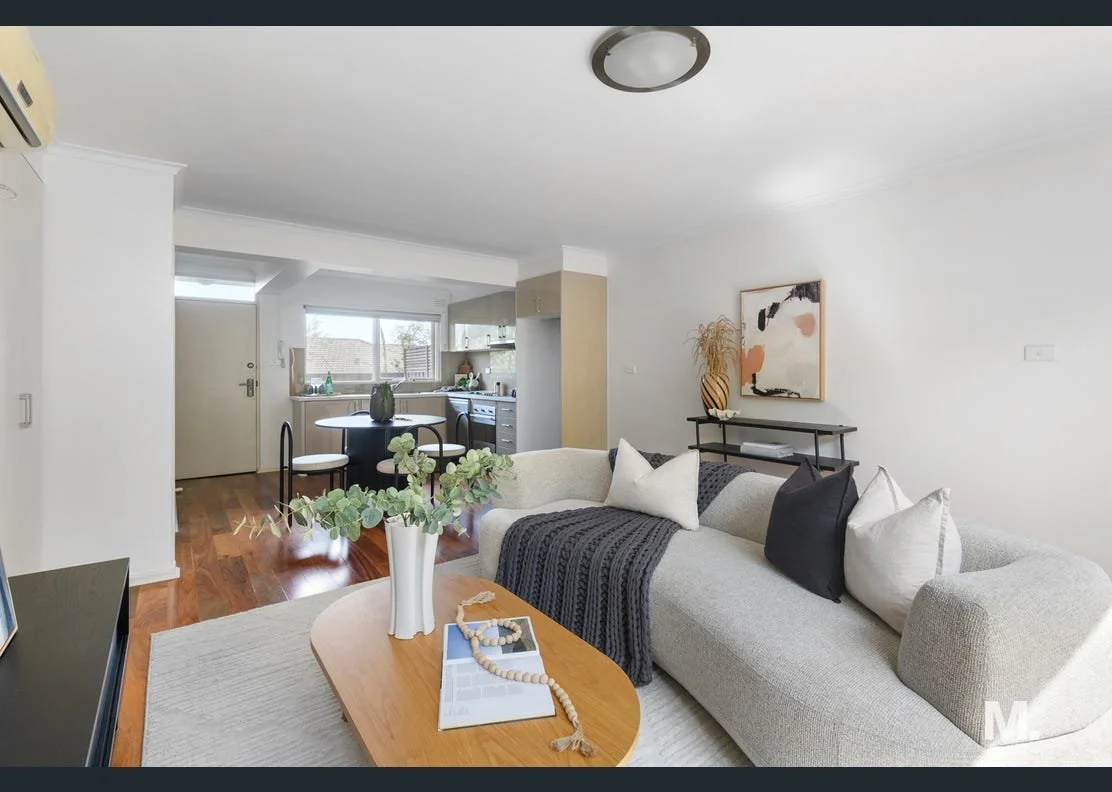
Furnished rental home in Essendon, Melbourne
How to Secure a Home before you land in Australia
Trying to secure a rental before arriving in Australia can feel like the most stressful part of the move.
You are making big decisions from a distance, often in a competitive market, while also thinking about schools, budgets, timelines, and where your family will actually feel at home. It is no surprise that housing is often the part of the move that creates the most pressure.
The good news is that there is a much better way to approach it.
The families who tend to do this well usually do not start by scrolling listings for hours and hoping something works out. They start by getting clear on where they want to live, preparing a strong application early, and putting themselves in a position to move quickly when the right property appears.
Here is how to make the process feel far more manageable.
1. Start with the suburb, not the property
One of the biggest mistakes people make is searching too broadly.
Before you worry about individual rentals, get clear on the kind of area that will suit your family. That means thinking about commute, budget, school priorities, transport, lifestyle, and the kind of home you actually want to live in.
When you narrow your suburb shortlist first, everything else becomes easier:
you waste less time on unsuitable listings
you can compare properties more confidently
you are less likely to make a rushed decision from overseas
you can move faster when the right home appears
A smaller, smarter search area almost always beats a wide, reactive one.
2. Prepare your application before you inspect anything
If you wait until you find the perfect property before gathering your documents, you will probably lose momentum at the exact moment you need to act quickly.
Before you start applying, have your paperwork ready to go. That usually includes:
photo ID
proof of employment or income
visa details, if relevant
rental history
landlord or property manager references
recent bank statements if needed
a short cover note explaining your move
The goal is to make your application feel easy to assess.
From an agent’s point of view, the strongest applications are usually the ones that feel complete, clear, and low-friction. If you are moving from overseas and do not yet have an Australian rental history, that does not automatically put you out of the running. It just means your application needs to reduce uncertainty in other ways.
3. Make it easy for someone to trust your application
A good rental application is not just a pile of documents. It tells a clear story.
If you are applying from overseas, try to make these points obvious:
when you are arriving
why you are moving
who will live in the property
your employment or income position
how long you expect to stay
who can vouch for you
This is especially important if your paperwork comes from another country. The clearer and more consistent your application is, the easier it is for an agent or owner to say yes.
A short, professional note can help. It does not need to be long. It just needs to show that you are organised, genuine, and ready.
4. Do not rely on photos alone
Online listings can make a property look perfect. That does not mean it is right for you.
If you cannot inspect in person, try to arrange:
a live virtual walkthrough
an inspection by a trusted friend or family member
on-the-ground support from someone local who can assess the property for you
This matters because photos rarely tell you the full story. They do not show street feel, traffic noise, natural light, building condition, or whether the layout actually works for your family’s day-to-day life.
Distance makes it even more important to verify what you are seeing.
5. Be extremely careful with scams
This is one area where caution matters.
Scamwatch warns that fake rental listings often involve excuses about why you cannot inspect the property, combined with pressure to send money upfront to secure it.
A few practical checks can help:
verify the agency through its official website
contact the office directly using published details
be cautious if someone pushes for urgent payment
avoid transferring money just to “hold” a property without proper verification
treat copied photos, vague communication, or unusual pressure as red flags
If something feels off, pause. It is always better to lose a listing than lose money.
6. Know what you are actually committing to before you sign
When you are approved for a rental, it is easy to feel so relieved that you just want to sign and move on.
But this is the moment to slow down.
A rental agreement is legally binding, and the rules around leases, bonds, and tenancy obligations vary by state and territory. Before signing anything or paying a bond, make sure you understand the official rules for the place you are moving to.
At a minimum, check:
the rent amount
the lease start date
what is included
payment timing
break conditions
whether the property genuinely suits your arrival plans
Note: Rental rules, lease terms, and bond processes can vary across Australia. Always check the official tenancy authority in the state or territory you are moving to before signing an agreement or paying money.
7. Have a backup plan in case the right rental does not come through in time
Even with good preparation, not every family secures a long-term rental before landing.
That does not mean the plan has failed. It just means you need a calm backup option.
A sensible Plan B might be:
short-term accommodation for the first few weeks
a tighter suburb shortlist
a staged arrival where one adult lands first
a clear inspection schedule for the first days after arrival
The best backup plans reduce pressure. They stop you from saying yes to the wrong property just because the clock is ticking.
8. The goal is not just to get a rental, it is to get the right start
This is the part many people miss.
Securing a rental before arriving in Australia is not only about getting approved somewhere. It is about arriving with more certainty, less wasted spend, and a home that actually supports the life you are trying to build.
For families especially, the right suburb and the right rental can shape everything that comes next:
school options
commute
routine
stress levels
how quickly everyone settles
That is why this process works best when it is treated as part of the bigger relocation picture, not just a property search.
Final thoughts
If you want to secure a rental before arriving in Australia, focus on the things that genuinely improve your odds:
narrow your suburb shortlist first
prepare your application early
make your documents easy to trust
verify properties properly
avoid scam pressure
keep a backup plan in place
Most of all, remember that this is not about doing everything perfectly.
It is about reducing uncertainty, making smarter decisions from overseas, and giving your family a better landing when you arrive.
Planning a move to Australia? We help families shortlist the right suburbs, inspect properties, and navigate the rental search from overseas with more clarity and confidence.
Related guides
Australia cost of living calculator|Estimate your real family budget in Australia
Work out how childcare, rent and everyday expenses fit together before you move.[[How Much Savings Do You Need Before Moving to Australia?|See how much savings you may need before moving to Australia]]
Build a buffer for rent, childcare, setup costs and the first few months.[[Upfront Costs of Moving to Australia?|Plan for the upfront costs of moving to Australia]]
Budget for visas, flights, deposits, temporary accommodation and other one-off moving expenses.