
Rental Homes With Land: Best Options for Families
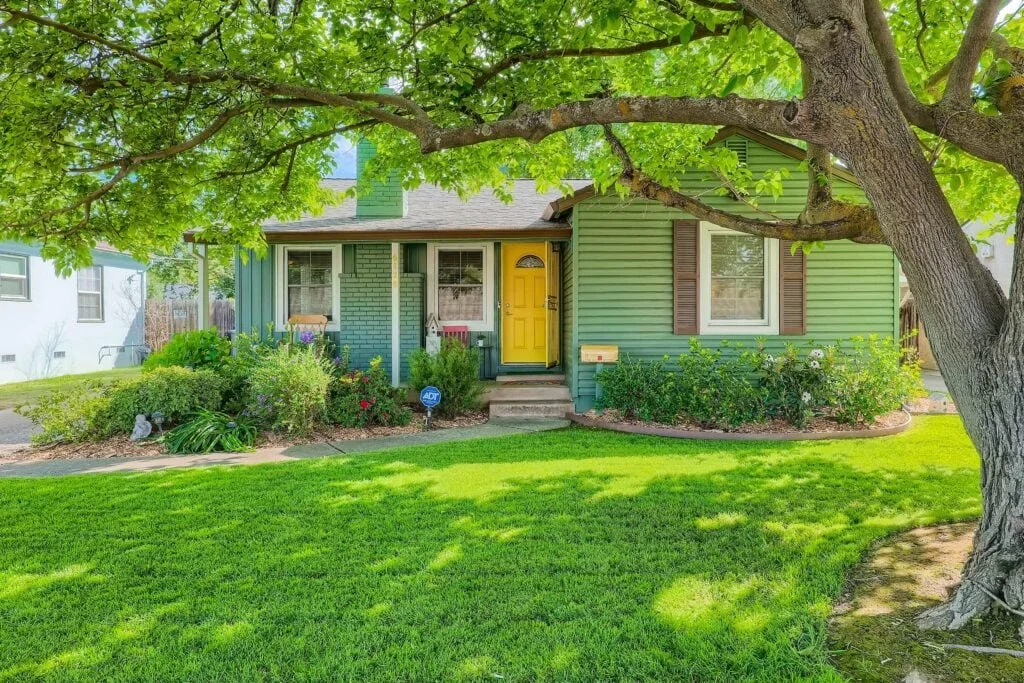
For many families moving to Australia, the dream rental is not an apartment in a high-rise. It is a house with room for children to play, space for pets, outdoor storage, and enough distance from neighbours to breathe. That is why rental homes with land are so appealing, especially for families arriving from countries where larger homes, gardens, or semi-rural living are the norm.
The challenge is that “land” can mean very different things in the Australian rental market. It might be a normal suburban backyard, a larger outer-suburban block, a lifestyle acreage property, or a rural home with paddocks and extra maintenance responsibilities. The best option depends on your budget, school plans, commute, driving confidence, and appetite for upkeep.
This guide explains the main types of rental homes with land in Australia, how to compare them, and what families should check before signing a lease.
What does “rental home with land” mean in Australia?
In Australian property listings, you may not always see the phrase “rental homes with land”. Instead, agents usually describe the property type or outdoor features. Common listing terms include “house”, “large block”, “acreage”, “fully fenced yard”, “family backyard”, “rural outlook”, “lifestyle property”, “shed”, “paddock”, or “garden maintenance included”.
For relocating families, this wording matters. A listing with attractive outdoor photos may not always mean you have full use of the land. Some properties include a large visible block but restrict tenant access to sheds, paddocks, granny flats, or farm infrastructure. Others may offer wonderful space but come with long mowing hours, tank water, septic systems, limited internet, or bushfire considerations.
The goal is not simply to find the biggest block. It is to find the right balance of space, schooling, commute, safety, and manageability.
Best types of rental homes with land for families
Different families mean different versions of “space”. A toddler-friendly backyard close to school may be more useful than five acres far from work. A teenager may value transport and sports facilities more than a paddock. Pets may need fencing more than land size.
Here are the main options to consider.
| Rental type | Best for | Main advantages | Watch-outs |
|---|---|---|---|
| Suburban house with backyard | Families wanting school access and daily convenience | Close to schools, shops, transport and activities | Smaller blocks in inner areas, strong competition |
| Outer-suburban house on larger block | Families wanting more outdoor space without going fully rural | Better chance of larger yards, double garages, quiet streets | Longer commutes, car dependence |
| Townhouse or duplex with courtyard | Families needing some outdoor space on a tighter budget | Lower maintenance, often closer to amenities | Limited yard, shared walls, strata rules |
| Acreage or lifestyle rental | Families wanting privacy, pets, gardens or space for hobbies | More land, quieter setting, flexible outdoor lifestyle | Maintenance, internet, bushfire or flood risk, longer school run |
| Rural residential or farmhouse rental | Families comfortable with country living | Maximum space, potential for animals or equipment storage | Water, septic, fencing, access roads, fewer services |
| Short-term house with yard | Families needing a landing base before committing | Flexibility while you inspect areas and schools | More expensive per week, limited availability |
Option 1: Suburban houses with usable backyards
For most relocating families, the best starting point is a detached suburban house with a secure backyard. This is often the most practical version of a rental home with land because it gives children and pets outdoor space while keeping you connected to schools, childcare, healthcare, shops, sport, and public transport.
In established suburbs, blocks may be smaller than families expect, especially in Sydney and parts of Melbourne. However, a well-designed backyard can still be more valuable than a large but awkward block. Look for visibility from the kitchen or living area, secure fencing, shade, drainage, and enough flat space for play.
This option is often best if you have school-aged children and need to stay within a specific public school zone. In Australia, government school enrolment is commonly tied to your residential address, although rules vary by state and school. If school placement is a priority, check catchments before falling in love with a property. National school information can be researched through My School, but catchment rules should always be checked with the relevant state education department or school directly.
Option 2: Outer-suburban homes on larger blocks
If you want more land but still need access to a major city, outer-suburban family homes can be a strong compromise. These areas often offer more detached houses, larger yards, wider streets, garages, and family-oriented amenities.
For example, families moving to Brisbane might look beyond the inner ring to areas with more traditional houses. Families moving to Melbourne may consider outer east, south-east, north-west, or bayside-fringe suburbs depending on work location. In Sydney, larger blocks are more likely as you move toward the north-west, south-west, Blue Mountains fringe, Central Coast, or other commuter belts, though travel time becomes a serious factor.
The key is to test the weekday commute, not the weekend drive. A property that looks 35 minutes away on a quiet Sunday may feel very different during school drop-off and peak-hour traffic. If both parents will work, map the journey to work, school, childcare, after-school activities, and your likely supermarket or medical clinic.
Outer-suburban homes are often a good fit for families who value space, plan to have one or two cars, and are comfortable building daily routines around driving.
Option 3: Townhouses and duplexes with courtyards
Not every family needs a large block. If your priority is a good school area, shorter commute, or easier budget, a townhouse or duplex with a courtyard can work well.
This option suits families with younger children who need a safe outdoor area but not necessarily a full garden. It can also be practical for families arriving from overseas who do not yet want the responsibility of lawn mowing, pool care, tree management, or acreage upkeep.
The trade-off is privacy and flexibility. Townhouses may have strata or owners corporation rules about pets, noise, parking, outdoor equipment, or modifications. Courtyards can also be small, shaded, or overlooked by neighbours. Before applying, check whether pets are allowed, whether there is outdoor storage, where bins are kept, and whether the courtyard is genuinely child-friendly.
A townhouse with a courtyard in the right school area can be a better family decision than a detached house with land in the wrong location.
Option 4: Acreage and lifestyle rentals
Acreage rentals are highly attractive to families who want privacy, animals, gardens, large play areas, workshops, or a quieter lifestyle. These properties are often found on the edges of cities or in hinterland and regional areas. In listing language, you may see “acreage”, “lifestyle property”, “rural residential”, “semi-rural”, or “large landholding”.
This can be a wonderful option if you understand the responsibilities. Larger land can mean mowing, weed control, fence checks, drainage issues, tree debris, dam safety, water tanks, septic systems, gates, and longer driveways. Some landlords include garden maintenance, but many expect tenants to maintain lawns and basic grounds.
Before applying for acreage, ask very specific questions:
Which parts of the land are included in the lease?
Are sheds, paddocks, dams or stables included or excluded?
Who maintains lawns, gardens, trees, fences and driveways?
Is a ride-on mower provided or expected?
Is the home on mains water, tank water, bore water, or a combination?
Is there septic, LPG gas, or other non-standard infrastructure?
What internet options are available at the address?
Acreage works best for families who want lifestyle space and are realistic about time, driving, and property care.
Option 5: Rural residential and farmhouse rentals
Rural rentals can offer the most land, often with a peaceful setting and room for animals, tools, trailers, or outdoor hobbies. They may appeal to returning Australian expats, remote workers, or families relocating to regional areas for lifestyle reasons.
However, rural living is not just a bigger version of suburban living. Services may be farther away. Roads may be unsealed. School buses may replace walking or cycling. Mobile reception can vary from one side of a property to another. Emergency services, hospitals, childcare, and specialist medical care may be less accessible.
Families considering rural rentals should check practical details before committing. Confirm school transport, road access after heavy rain, mobile coverage, internet type, rubbish collection, water supply, fire risk, and the distance to everyday services. For flood-related research, the Australian Flood Risk Information Portal is a useful national starting point, although local council and state maps are also important. For bushfire-prone areas, check the relevant state fire authority and local planning maps.
Rural rentals can be excellent for the right family, but they are rarely the easiest first landing point if you are new to Australia and still learning the systems.
How to choose the best option for your family
When comparing rental homes with land, start with lifestyle, but make the final decision through a practical relocation lens. The best property is the one that supports your family’s daily life, not just your weekend ideal.
Start with schools, then search for homes
For families with school-aged children, school planning should come before rental applications. A beautiful house with land may not help if it places you outside your preferred school catchment, too far from childcare, or away from suitable after-school care.
This is especially important when moving from overseas. You may be tempted to secure any spacious home before arrival, but changing addresses after discovering school issues can be expensive and stressful. A school-first relocation plan helps you narrow the search to realistic suburbs before you start inspecting homes.
Decide how much land you can actually maintain
Large outdoor spaces are appealing until you are spending every weekend mowing, trimming, clearing leaves, or negotiating garden expectations with the property manager. Ask yourself how much maintenance you want in the first six months after arrival, when you may also be starting a new job, setting up bank accounts, buying furniture, enrolling children, and learning local routines.
If you want space without heavy maintenance, a suburban backyard or townhouse courtyard may be a better first rental. If you love gardening, have older children, work flexibly, or are used to acreage, a lifestyle rental may suit you well.
Check fencing, safety and pets carefully
Families often search for land because of pets. In Australia, pet rules vary by state and by property, and landlords may still assess whether the property is suitable. A large unfenced block is not necessarily pet-friendly. A smaller secure yard may be far better.
For children, check pool fencing, steep driveways, dams, creeks, retaining walls, road proximity, snakes in semi-rural locations, and visibility from living areas. If a property has a swimming pool or spa, make sure compliance and maintenance responsibilities are clear before signing.
Budget beyond the weekly rent
Rent in Australia is usually advertised per week, even though payments may be made weekly, fortnightly, or monthly depending on the agreement. When comparing homes with land, do not look at rent alone. Larger homes can cost more to heat, cool, furnish and maintain.
Potential extra costs include garden equipment, higher electricity use, pool servicing, pest control, additional fuel for longer commutes, second-car costs, contents insurance, and higher removal or furniture costs. If the property is outside the mains network, you may also need to understand tank water, septic servicing, bottled gas or private waste arrangements.
City-by-city strategy for finding more land
Land availability changes significantly by city. Inner-city Sydney and Melbourne rentals with large yards are limited and competitive. Brisbane, Perth and Adelaide may offer more family houses within reach of the city, although strong demand still applies. Regional centers can offer more space, but employment, schools and healthcare need careful checking.
| Destination | Practical family strategy |
|---|---|
| Sydney | Expect high competition for houses with yards. Consider school-aligned suburbs first, then expand to outer areas or commuter regions if land is a priority. |
| Melbourne | Look beyond the inner suburbs for larger blocks. Balance school zones with commute, tram or train access, and weather-friendly indoor space. |
| Brisbane | Detached houses and outdoor living are common, but flood mapping, heat, cooling and commute routes are essential checks. |
| Perth | Larger family homes may be more achievable than in Sydney, but confirm commute distances and school access across a spread-out metro area. |
| Adelaide | Family houses with gardens can be a strong option, especially if work location allows flexibility across suburbs. |
| Canberra | Blocks can be family-friendly, but rental demand can move quickly around government and university cycles. Heating costs matter in winter. |
| Regional Australia | More land may be available, but check employment, school transport, healthcare, internet and climate risks before committing. |
What to look for in listings
When scanning listings, do not rely only on photos. Agents often highlight lifestyle appeal, but the written details and lease conditions matter more.
Useful search terms include “fully fenced”, “large backyard”, “family home”, “garden”, “outdoor entertaining”, “acreage”, “large block”, “side access”, “shed”, “double garage”, “storage”, “pets considered”, “near schools”, and “quiet street”.
Pay close attention to floorplans and land size if provided. A large block with a steep slope, dense vegetation or unusable rear section may not be as practical as a smaller flat backyard. Also check whether the yard is visible from the main living area, especially if you have young children.
For acreage or semi-rural listings, ask for a video walkthrough that includes the outside areas, not just the interior. You want to see fencing, gates, driveway condition, water tanks, sheds, drainage, mowing areas, and any hazards.
Inspection checklist for families wanting land
A rental inspection for a home with land should go beyond bedrooms and bathrooms. Outdoor areas can create the biggest lifestyle benefits, but also the biggest surprises.
Use this checklist when inspecting in person or through a trusted representative:
Confirm which outdoor areas are included in the lease.
Check fencing height, gaps, gates and locks.
Look for drainage issues, boggy ground or signs of water pooling.
Test outdoor taps, lighting and garage access.
Check shade, sun exposure and heat around play areas.
Inspect sheds, storage areas and any exclusions.
Ask who maintains lawns, hedges, trees and pool areas.
Check noise from roads, aircraft, neighbours or nearby businesses.
Confirm internet availability at the exact address.
Map school, childcare, work, shops and medical access at real travel times.
If you are overseas, a proxy inspection can be invaluable. Photos rarely show gradients, smells, road noise, damp, fencing gaps, or the real condition of outdoor spaces.
Lease clauses to clarify before signing
Homes with land often have extra responsibilities that should be clarified in writing. Do not rely only on verbal comments at inspection.
Ask the property manager to confirm maintenance obligations, included areas, excluded structures, pool servicing, water usage, garden care, pet conditions, and any special property systems. If the home has acreage, check whether the tenant is responsible for slashing, firebreaks, weed management, or maintaining paddocks.
If something matters to your family, have it written into the lease or supporting documentation. This is especially important for pets, shed access, pool care, included appliances, ride-on mowers, water tanks, and garden maintenance.
Should you secure a rental home with land before arriving?
It is possible to rent before arriving in Australia, but homes with land require extra caution because outdoor conditions are difficult to judge from photos. A remote inspection should be detailed, ideally with someone walking the block, checking boundaries, testing commute assumptions, and asking the agent practical questions.
For many families, the best strategy is to shortlist suburbs and schools before arrival, prepare a strong rental application, and then move quickly when the right property appears. In some cases, short-term accommodation for the first few weeks gives you time to inspect houses, compare outdoor spaces, and make a better long-term decision.
If you are relocating for work, employers can help by allowing flexibility around start dates, providing temporary accommodation, or supporting a professional rental search. This can reduce pressure on the employee and help the family settle faster.
The best choice for most relocating families
For most families moving to Australia, the best first rental is usually not the biggest possible property. It is a well-located home with enough outdoor space, a manageable garden, a safe layout, and access to the right school and commute.
A suburban house with a fenced yard is often the safest starting point. An outer-suburban home on a larger block can be ideal if you are comfortable driving and want more space. Acreage can be a fantastic lifestyle choice, but it is best suited to families who understand the maintenance, infrastructure and access trade-offs.
The right rental home with land should make your first year in Australia easier, not more complicated.
Frequently Asked Questions
Are rental homes with land common in Australia? Detached houses with yards are common in many suburban and regional areas, but large blocks and acreage rentals are less common in inner-city locations. Availability depends heavily on the city, suburb, budget and season.
What is the difference between a large backyard and acreage? A large backyard is usually part of a standard suburban house block. Acreage generally refers to a much larger lifestyle or rural residential property, often with extra maintenance, longer driveways, water systems, sheds or paddocks.
Who maintains the land in a rental property? Basic lawn and garden maintenance is often the tenant’s responsibility, but this varies by lease. Tree pruning, major landscaping, pool servicing, acreage slashing and specialist maintenance should be clarified in writing before signing.
Can families rent acreage before arriving in Australia? It is possible, but it carries more risk than renting a standard suburban home. Families should arrange a detailed inspection, confirm land inclusions, check internet and utilities, and understand school and commute distances before committing.
Are rental homes with land better for pets? They can be, but land size matters less than secure fencing, landlord approval, safe boundaries and local rules. A smaller fully fenced yard may be more suitable than a large unfenced block.
Should school choice come before choosing a rental with land? For families with school-aged children, yes. Your address can affect government school eligibility, so it is wise to confirm school options and catchments before applying for a long-term rental.
Get help finding the right family rental in Australia
Finding rental homes with land from overseas can be difficult, especially when you are also trying to compare schools, suburbs, commute times and application requirements.
Homeward Australia helps families relocate with suburb matching, school-first planning, rental search support, expert real estate guidance, move-in assistance and personalised 1:1 planning calls. If you want a family-friendly rental that fits your lifestyle rather than just a listing that looks good online, Homeward can help you plan the move before you arrive.
