
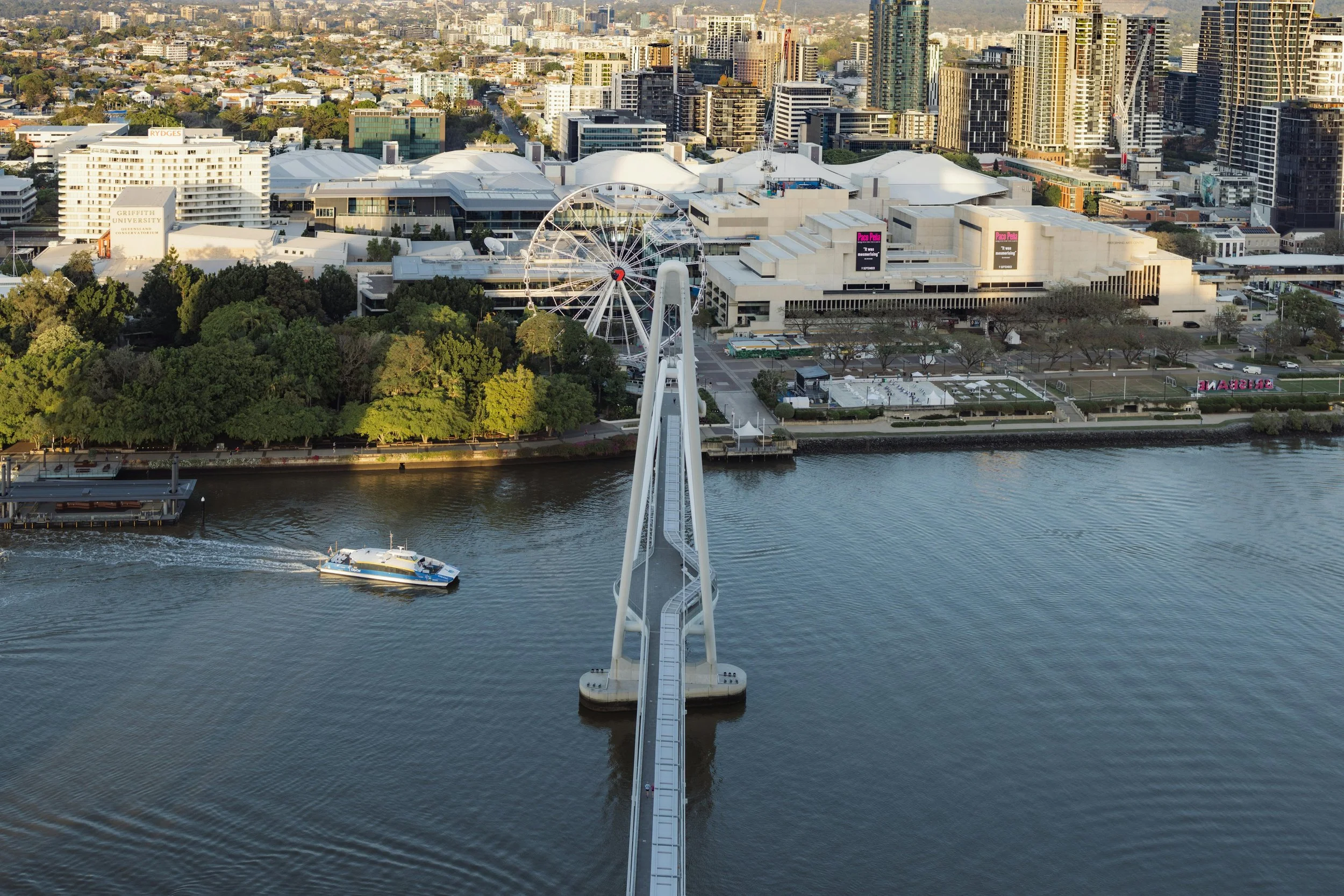
Brisbane City River Shot
Brisbane has become a long-term favourite for relocating families because it offers strong lifestyle value, a growing job market, and suburbs that still feel genuinely kid-friendly. The hard part in 2026 is not deciding whether Brisbane is a good move, it is choosing whereto rent when you need the right mix of school options, commute time, parks, and a house that suits family life.
This guide narrows down Brisbane house rentals by family needs, then highlights areas that consistently work well for families, especially those arriving from overseas or interstate.
What “family-friendly” really means for Brisbane house rentals (2026)
In Brisbane, “best suburb” is usually code for “best trade-off”. A great school zone can mean higher rent or fewer houses, and a bigger backyard can mean a longer commute.
Here are the factors that most often make or break a family rental choice in Brisbane.
1) School pathways and catchments
If schooling is a priority, start with the school question first, not last.
Catchments matter for many state schools, and addresses are checked.
Transport to school matters almost as much as the school itself, especially if you have multiple children.
A practical approach is to shortlist suburbs with several viable options (state, independent, faith-based) rather than betting everything on one catchment line.
For official catchment information, use Queensland Government sources such as the EdMap tool (Queensland Department of Education).
2) Commute realism (not just distance)
Brisbane’s travel time depends heavily on river crossings, peak-hour bottlenecks, and whether you can rely on rail. Two suburbs can be similar in kilometres and completely different in day-to-day commute stress.
A quick rule: if you can rent within walking distance of a train station (and the line works for your job location), daily life is often easier with kids.
3) House vs townhouse stock
“House rentals” in Brisbane vary dramatically by suburb.
Character homes (Queenslanders) are common in many inner suburbs, with verandas and airflow, but can have stairs and higher maintenance expectations.
Post-war brick homes and renovated family houses are common in middle-ring suburbs.
Newer estates (Greater Brisbane) can offer more modern layouts, but commuting and school demand can be different.
4) Flood and storm awareness
Flooding is not a Brisbane-only issue, but it is a Brisbane reality families should take seriously.
Before applying, check the property address against Brisbane City Council resources such as the Flood Awareness Map.
5) Daily life for kids (and parents)
Family-friendly is often about the weekly rhythm:
parks, playgrounds and weekend sport
access to GP clinics, dentists, allied health
library, swim school, and after-school activities
grocery shopping that does not require a 45-minute round trip
Best areas for families looking for Brisbane house rentals in 2026
These areas are grouped to help you compare like with like. Within each group, exact streets matter, so treat this as a high-quality starting shortlist rather than a final answer.
Inner North: convenient, connected, great “week-to-week” living
The Inner North is popular with families who want fast access to the CBD, hospitals, and well-established amenities.
Why families like it: strong public transport options, lots of parks, a balance of houses and townhomes, and a “neighbourhood” feel.
Suburbs to explore: Kedron, Nundah, Clayfield, Wilston, Grange.
Good fit for: families who want shorter commutes, or one parent commuting while the other manages school and activities.
Watch-outs: competition for well-presented houses, and some pockets where aircraft noise can be a consideration (depending on flight paths).
Inner West: schooling options, leafy streets, and access to universities
The Inner West tends to appeal to families prioritising schools, established streets, and quick access to the CBD and University of Queensland.
Suburbs to explore: Toowong, Auchenflower, Indooroopilly, Chapel Hill.
Good fit for: families who want a mature suburb with lots of services, and who are comfortable with older housing stock.
Watch-outs: hills, narrow streets, and limited off-street parking in some pockets. It is also important to check flood mapping near creek lines and low-lying areas.
North West: “green space” family living without going fully outer-suburban
This area is often chosen by families who want a quieter feel, larger blocks (depending on the pocket), and easy access to bushland.
Suburbs to explore: The Gap, Ashgrove, Keperra, Everton Park.
Good fit for: families who value outdoor time and want a suburb that still feels close enough to the city for regular activities.
Watch-outs: commuting can be more car-dependent depending on the exact location, and traffic pinch points can add time during peak.
Southside (middle ring): space, school communities, and practical family logistics
Southside middle-ring suburbs are a common choice for families who want more “house for your budget” than many inner areas.
Suburbs to explore: Holland Park, Mount Gravatt, Mansfield, Carindale.
Good fit for: families wanting a more traditional family-house setup, good shopping options, and straightforward access to major roads.
Watch-outs: Brisbane is very street-by-street. Some pockets feel much quieter than others, so inspections and local guidance matter.
Bayside: coastal lifestyle, breezes, and a slower pace
If your family’s happiness equation includes weekend walks by the water, the Bayside can be a strong option.
Suburbs to explore: Wynnum, Manly, Lota, Tingalpa.
Good fit for: families who prioritise lifestyle and are comfortable being further from the CBD.
Watch-outs: check commute times carefully, and always do flood and storm due diligence near the water and low-lying areas.
Greater Brisbane (value and newer homes): more space, but choose with intent
Some families look beyond the Brisbane City Council boundary to secure a newer home, extra bedrooms, or a more predictable layout.
Areas families often compare: Springfield Lakes (south-west), Forest Lake (south-west), North Lakes and Mango Hill (north).
Good fit for: families who work hybrid, have flexible commute schedules, or prioritise house size and newer estates.
Watch-outs: school demand can be intense, and day-to-day life can be more car-dependent.
Quick comparison table (use this to shortlist faster)
Use this table to match your priorities to the most likely fit. Final suitability depends on exact streets, school availability, and property condition.
AreaBest forTypical housing feelTransport strengthsCommon trade-offInner NorthBusy families who want convenienceMix of character homes and renovated housesStrong rail/bus access in many pocketsHigher competition for family housesInner WestSchools, established amenitiesLeafy streets, older homes, some hillsGood access to CBD, major corridorsParking, slopes, and flood checks matterNorth WestGreen space and a quieter feelFamily houses, more suburban vibeOften more car-reliantCommute time can jump in peakSouthside (middle ring)Space and practical family livingLarger houses, good shopping accessGood road access, varied PTQuality varies street-by-streetBaysideLifestyle, water, outdoor weekendsCoastal suburb feelRail access in some pocketsLonger commute to CBDGreater BrisbaneNewer homes, more bedroomsEstates and modern layoutsMotorways, some rail optionsCar dependence and school demand
If you are relocating for work, sanity-check the suburb against your industry
Families often choose suburbs first, then discover the job location changes everything.
A simple check: plot your likely work hubs (CBD, Airport precinct, hospitals, industrial areas, universities) and see whether the suburb still works for childcare drop-offs and after-school pickup windows.
If you work across time zones or coordinate with overseas suppliers, also consider whether you need a home office setup that can handle calls early or late. For example, professionals in apparel and product development sometimes collaborate with manufacturing partners such as Arcus Apparel Group and may need reliable internet, quiet work zones, and flexible household layout.
How to inspect and apply for Brisbane house rentals from overseas
Family relocations often fail at the rental step because the process is fast, competitive, and documentation-heavy.
What usually strengthens an application
Property managers want low risk and clear communication. For relocating families, that can look like:
a complete application pack (ID, income evidence, references, visa details where relevant)
a clear cover note explaining timing, start date, and family situation
flexibility on start date (where possible)
If you want a step-by-step process specifically for securing a lease before you land, Homeward Australia has a dedicated guide on how to secure a rental before arriving in Australia.
Avoiding rental scams
When you are remote, be extra cautious with listings that push you to pay deposits before any verification. If something feels off, slow down and validate the agent, the address, and the tenancy paperwork.
For tenancy rights and rental processes in Queensland, RTA Queensland is the official starting point.
Budgeting for family life (rent is only the start)
A rental that stretches your budget can limit your options for childcare, activities, transport, and setup costs.
Consider building a “first 90 days” budget that includes:
bond and initial rent payments
utilities connection and internet
basic furniture (if arriving without a full shipment)
school uniforms and activity fees
transport costs (car purchase, registration, or public transport)
If childcare is part of your plan, factor that in early. Homeward’s guide to childcare costs in Australia helps you estimate realistic out-of-pocket ranges.
FAQs
What is the best suburb in Brisbane for families renting a house in 2026? There is no single best suburb because it depends on your school preferences, commute, and budget. Many families shortlist Inner North, Inner West, Southside middle-ring, and selected Bayside pockets, then refine by school options and travel time.
Are Brisbane school catchments strict for state schools? Catchments can be strict, and addresses are commonly verified. Always confirm the current catchment for the specific school using official Queensland Department of Education tools before signing a lease.
Should we choose the school first or the house first? For most relocating families, school-first planning reduces stress. If you rent outside your preferred school options, you may end up moving again quickly, which is expensive and disruptive.
Is it realistic to secure Brisbane house rentals from overseas? Yes, but it requires strong preparation, fast turnaround, and local help for inspections. Many families use professional support to shortlist suburbs, inspect properties, and present a strong application before arrival.
What should we check before applying for a house rental in Brisbane? At minimum, check commute practicality, flood and storm information, school options, and the property’s layout for family life (bedroom configuration, stairs, outdoor space, storage, and parking).
Need help choosing an area and securing a Brisbane rental before you arrive?
If you are moving with children, the rental decision is rarely just about the house. It is about picking the right area, planning school options, and getting your application ready so you can land in Brisbane with a home (and a plan) already in place.
Homeward Australia supports relocating families with suburb matching, school-first planning, and rental search from overseas, backed by a no rental, no fee guarantee. Explore the broader move checklist in the Relocate to Brisbane guide, or start with a personalised plan via Homeward Australia.