
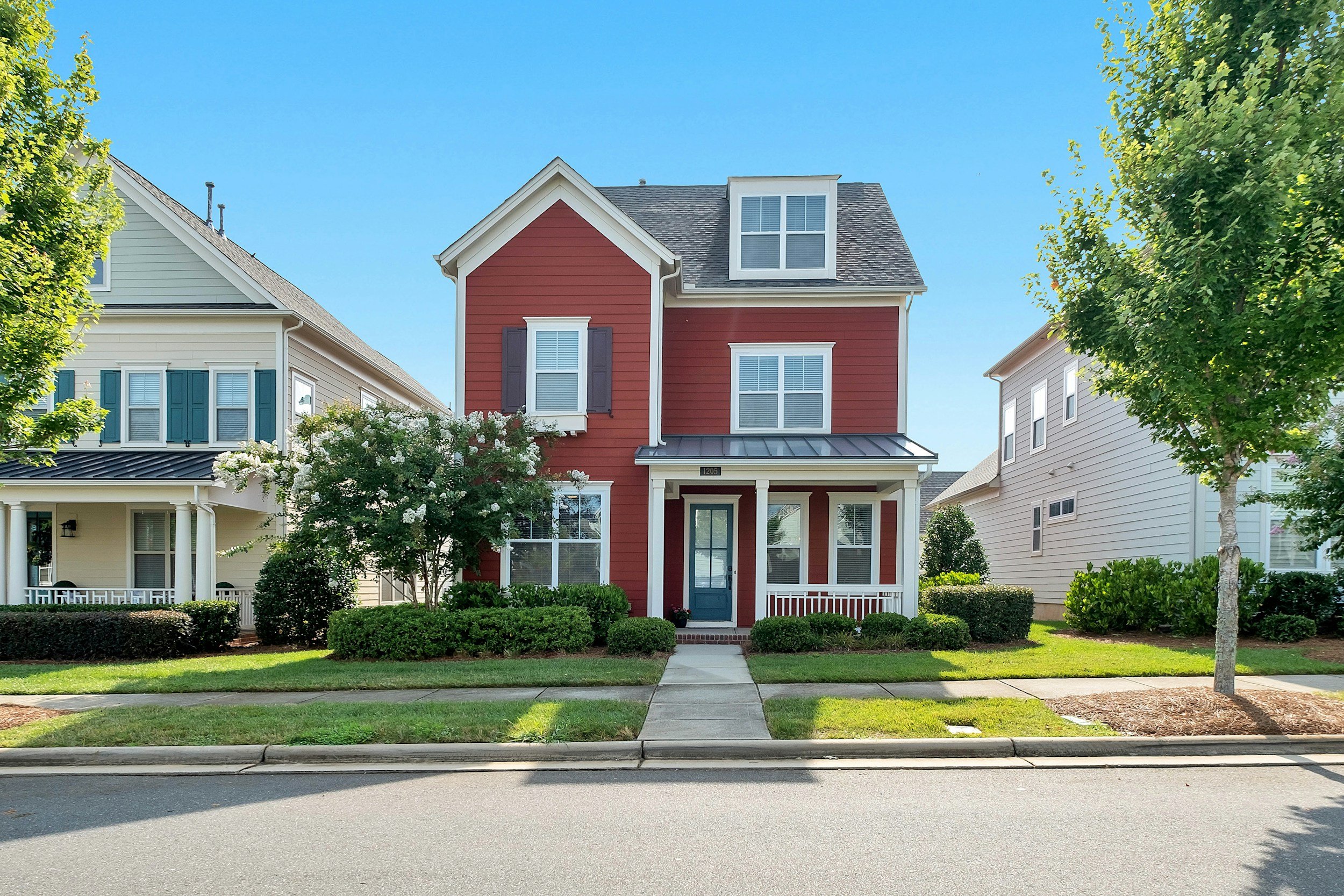
Handsome red and white detached home
Australia’s rental system can feel unfamiliar if you’re coming from the UK, US, Canada, South Africa, Singapore, or Europe. The basics are simple (inspect, apply, sign, pay bond, move in), but the details matter, especially when you’re moving with kids, a deadline, and school start dates to hit.
This guide explains how real estate rentals work for families moving to Australia, including the roles of agents and landlords, what you’ll pay upfront, what a standard lease looks like, how applications are assessed, and what to watch for so you can arrive to a home that genuinely works for your family.
The big picture: who’s involved and how the process runs
In Australia, most residential rentals are managed by real estate agents (property managers) on behalf of the owner (the landlord). You’ll usually deal with the agent, not the owner.
The key players
Tenant (you): Applies, pays rent, looks after the property, reports maintenance.
Property manager (agent): Advertises the property, runs inspections, processes applications, manages maintenance and routine inspections.
Landlord (owner): Ultimately approves tenants, sets rent (within the rules), authorises many decisions.
State regulator (varies by state): Holds/records bond and sets tenancy rules and dispute pathways.
Tenancy laws are state-based, so the exact forms, notice periods, and bond handling vary across NSW, VIC, QLD, WA, SA, TAS, ACT, and NT.
If you want to check the official rules for the state you’re moving to, start with a government tenancy site such as:
Rental listings and pricing: why everything is “per week”
Australian rental ads almost always show rent per week (for example, $750/week), even if you pay fortnightly or monthly. When you’re budgeting, convert weekly rent into monthly costs carefully.
A quick guide:
| Weekly rent | Approx monthly (weekly × 52 ÷ 12) |
Approx annual |
|---|---|---|
| $600/wk | $2,600/month | $31,200/year |
| $800/wk | $3,467/month | $41,600/year |
| $1,000/wk | $4,333/month | $52,000/year |
Family tip: if school choice is driving suburb choice, start with a suburb shortlist that works for your child’s schooling and your commute. Many families lose time applying for homes that “look good” online but don’t fit the school plan.
Inspections: open homes, private inspections, and virtual options
Most rentals are offered via open inspections (short, scheduled time slots). In tight markets, attending the first open inspection can matter because applications may be assessed quickly.
If you’re offshore, you may need:
A trusted contact to inspect on your behalf
A professional inspection service
A live video walkthrough (where available)
Be cautious with any listing that pressures you to transfer money without a proper application, lease paperwork, and verification. Government guidance on renting is a good baseline for scam red flags, and you can also review advice from organisations like the Tenants’ Union of NSW.
Applications: what agents actually assess (and how families can stand out)
Real estate agents typically assess applications on ability to pay, stability, and risk. In practice, that means you’re proving identity, income, and reliability.
Common application requirements
Exact requirements vary, but these are common:
Photo ID (passport, driver licence)
Proof of income (employment contract, payslips, offer letter, or savings statements)
Rental ledger or reference (if you have one)
Previous landlord/agent references
Personal references
Details of household members (including children)
Pet details (type, desexed status, references if available)
If you’re relocating, you may not have local payslips yet. Many families use a combination of:
A signed employment contract (including start date and salary)
A bank statement showing funds
A strong cover note explaining timeline, visas (if relevant), and move plan
Important: never falsify documents. Property managers verify details and inconsistencies can derail an application.
Application platforms you might see
Many agents use online systems to collect applications and run checks. The platform varies by agency and state. From a family planning perspective, the key is having your documents named, current, and ready to upload quickly.
Lease basics: fixed-term vs periodic, and what “break lease” means
A lease (often called a residential tenancy agreement) sets out the terms of renting.
Fixed-term leases
Common fixed terms include 6 or 12 months. A fixed term gives more certainty for families trying to stabilise schooling and routines.
Periodic leases
Some rentals roll onto a periodic (month-to-month) arrangement after the fixed term ends, depending on state rules and what’s agreed.
Breaking a lease
If you end a fixed-term lease early, you may need to pay costs such as advertising and rent until a new tenant is found (rules vary by state). If you’re moving cities for work or still finalising schools, build this into your risk planning.
Upfront costs: bond, rent in advance, and moving setup
Families often underestimate the cash required to start a tenancy. Upfront costs usually include bond and rent in advance, plus connection and moving expenses.
| Cost item | What it is | Typical expectation (varies by state and property) |
|---|---|---|
| Bond | Security deposit held under state rules | Often around 4 weeks’ rent |
| Rent in advance | Prepaid rent at the start | Commonly 2 weeks |
| Removalists and delivery | Moving your goods | Depends on volume and distance |
| Utilities connections | Electricity, gas, and internet setup | Connection fees may apply |
| Contents insurance | Covers your belongings (not the building) | Optional but common for families |
Bond should be lodged according to state requirements with the relevant authority, not just “kept” by an individual. Always get receipts and confirmation.
The condition report: your best protection as a tenant
At move-in, you’ll receive a condition report (also called an entry condition report in some states). This document is crucial because it’s used at the end of the lease to compare the property’s condition.
Family checklist:
Photograph and note every mark, scuff, stain, and chip, especially on walls, carpets, and appliances
Check safety items (smoke alarms and locks) and record anything that needs attention
Return the report by the deadline
Doing this thoroughly can reduce bond disputes later.
Maintenance, repairs, and routine inspections: what to expect
In most states, landlords must keep the property in a reasonable state of repair, and tenants must report issues promptly.
Typical rental realities for families:
Routine inspections happen periodically with notice (frequency rules vary by state).
You’ll often submit maintenance requests via email or a portal.
“Urgent repairs” categories and response expectations vary, check your state’s guidance.
Practical tip: if you’re choosing between two properties, the one with better heating/cooling, ventilation, and a functional kitchen and laundry usually makes day-to-day family life much easier than an extra bedroom on paper.
Rent increases and renewals: how it usually works
Rent increase rules are state-based, including how often increases can occur and what notice is required. In general:
Increases typically require written notice
Renewals may involve signing a new fixed term or moving to periodic
Before you renew, assess:
School plan for the next 12 to 24 months
Commute and childcare logistics
Whether your household size is likely to change (new baby, visiting family)
Pets and children: common pain points (and how to handle them)
Renting with kids
Children are not “pets” or a risk category you need to apologise for, but you do need a property that matches family living.
Look for:
Safe outdoor space or nearby parks
Bathroom and laundry practicality
A floorplan that supports sleep routines (noise, separation)
Renting with pets
Pet rules have changed in several states over recent years, but the practical reality is that landlords and strata (if applicable) can still influence what’s approved.
To improve your odds:
Provide a pet profile (age, weight, vaccination, desexing status)
Offer references from prior landlords if you have them
Explain your routine (walks, daycare, grooming)
Location and schooling: why “rental first, school later” can backfire
For many relocating families, the rental decision is also a schooling decision.
Depending on the state and school sector, your address may influence:
Access to public school intake zones or catchments
Commute time and before/after-school care options
Eligibility timing (some schools ask for proof of address)
That’s why a school-first plan can save money and stress. If you want a structured way to choose areas that work for your family, Homeward Australia’s suburb matching service explains what to consider and how families compare suburbs in practice.
A quick glossary of Australian real estate rental terms
If you’re new to Australia, the vocabulary alone can be confusing.
| Term | Meaning |
|---|---|
| Bond | Refundable security deposit, lodged or handled under state rules |
| Property manager | Real estate agent who manages the rental on the landlord’s behalf |
| Open inspection | Short public viewing time slot |
| Condition report | Document describing the property’s state at move-in |
| Routine inspection | Scheduled inspection during the tenancy with notice |
| Break lease | Ending a fixed-term lease early, often with costs |
| Strata | Building management rules for many apartments and townhouses |
What’s different if you’re applying from overseas?
Applying offshore is absolutely possible, but you need to reduce the agent’s uncertainty.
Common challenges:
You cannot attend opens in person
You may not have an Australian rental history
You may not have local payslips or an Australian bank account yet
Common solutions:
Use a local representative for inspections
Prepare a complete application pack before you start searching
Focus your search on suburbs that match schooling and commute needs to avoid wasted applications
If you specifically want step-by-step guidance on getting approved before you land, this companion guide goes deeper: How to Secure a Rental Before Arriving in Australia.
Frequently Asked Questions
How much money do you need upfront to rent in Australia? Most families should budget for bond (often around 4 weeks’ rent) plus rent in advance (commonly 2 weeks), then moving and utility connection costs. Exact rules vary by state.
Do you pay rent weekly or monthly in Australia? Rentals are usually advertised weekly, but many tenants pay fortnightly or monthly by agreement. Always convert weekly rent to monthly using weekly x 52 ÷ 12.
Can you rent a house in Australia before you arrive? Yes. Many families secure a lease from overseas using virtual inspections, local representatives, and a complete application pack. The key is building trust and verifying the property properly.
Are rental rules the same in every Australian state? No. Tenancy laws are state and territory based, including bond handling, notice periods, and rent increase rules. Check the official regulator for the state you’re moving to.
What is a condition report and why does it matter? It records the property’s condition at move-in and is used at the end of the lease to assess bond deductions. Completing it carefully (with photos) is one of the best ways to protect your bond.
Make your rental and school plan work together (before you land)
If you’re moving to Australia with children, the rental you choose will shape your commute, childcare logistics, and school options. Homeward Australia helps families relocate with rental search from overseas, suburb matching, and school-first relocation planning, so you can secure a home and map out schooling before arrival.
Explore Homeward Australia’s relocation support at homewardaustralia.com or start by comparing locations with the city and suburb guides.