
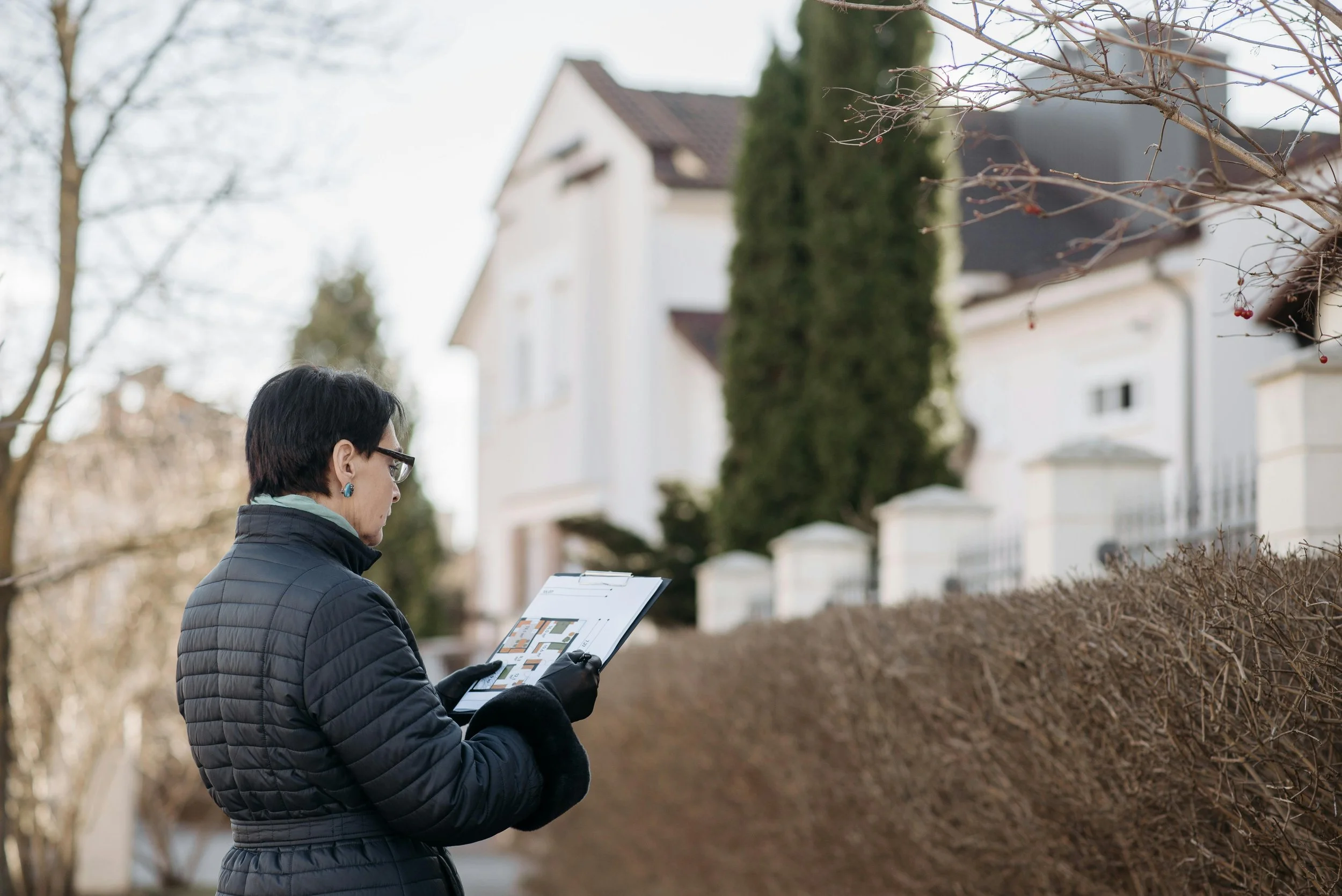
Comparing rental properties on a listing outside an open inspection
Rental listings can look deceptively similar on paper. Two homes might both be “3 bed, 2 bath, close to transport”, but one will feel bright, quiet and practical for family life, and the other will cost you time, money and patience from week one.
Locals get good at comparing rentals quickly because they know what to scan for, what to test at inspections, and which “small” details become daily frustrations (parking rules, school runs, mouldy bathrooms, slow internet). If you’re moving from overseas, you can still compare like a local, you just need a repeatable system.
Start with your comparison baseline (so you do not get distracted)
Before you compare properties, define the baseline you will not compromise on. This stops you from being swayed by nice photos or a slightly lower rent that comes with higher weekly hassle.
For most relocating families, the baseline is a mix of:
Location fundamentals: commute time, school options, access to public transport, medical services, groceries
Liveability: bedrooms, storage, yard or balcony, noise levels, natural light, heating and cooling
Budget reality: weekly rent plus utilities, internet, parking, childcare and transport costs
Practical constraints: pets, accessibility, car seats and prams, proximity to family support
If schooling is a priority, set your school needs first and treat the property as “within the right zone and lifestyle”, not the other way around. Homeward Australia’s approach is built around school-first planning (so the rental search supports your child’s education plan rather than forcing last minute compromises).
Read rental listings like a local (and ignore the marketing fluff)
In Australia, listings can be brief, photo heavy, and sometimes vague about what really matters. Locals learn to interpret what is missing.
Quick signals worth paying attention to
Rent price and history: A price that’s noticeably below similar rentals in the same suburb can be a genuine bargain, but it can also signal a compromise (traffic noise, poor insulation, a difficult layout, nearby construction). Use comparisons, not gut feel.
Inspection times: If there are frequent opens, it can mean the agent is trying to move it fast, or it can mean renters are walking away after seeing it in person. If you can, ask why.
Inclusions and exclusions: Look for clarity on:
Air conditioning (which rooms)
Heating (important in Melbourne, Canberra, Tasmania and many inland areas)
Dishwasher, laundry setup, dryer (especially for apartments)
Parking (secure, tandem, on street only)
Storage cage (common in newer apartment buildings)
Water charges: Many states allow landlords to pass on water usage charges if the property is separately metered and water efficient. The listing or lease may note this, but not always.
“Close to transport” translation: It might mean a 12 minute walk along a main road with no shade, not a quick hop to a station. You will confirm later with maps and street view.
Red flags that deserve extra scrutiny
These are not automatic deal breakers, but locals treat them as prompts to investigate.
Only wide angle photos, no bathroom close-ups
No floorplan for an apartment or townhouse
Fresh paint everywhere (sometimes used to mask stains or mould issues)
“Cozy” or “charming” for small spaces
Unclear parking or vague “on street parking available” in high demand areas
Use a simple scorecard so you can compare rentals objectively
When you are viewing multiple properties in a short window, your brain blurs details. Locals often have a mental scorecard. You can do it properly with a quick table (even in Notes or a spreadsheet).
Here is a practical template you can copy.
| Criteria | Property A | Property B | Property C | Notes (why it matters) |
|---|---|---|---|---|
| Weekly rent and lease length | Compare like-for-like lease terms. | |||
| Commute time (door to door) | Test at peak times where possible. | |||
| School / childcare practicality | Catchments, travel time, before/after care. | |||
| Natural light and ventilation | Impacts comfort, mould risk, energy costs. | |||
| Noise (roads, trains, neighbours) | Check bedroom walls and outdoor areas. | |||
| Heating and cooling | Reverse cycle, split systems, insulation. | |||
| Storage (linen, pantry, wardrobes) | Families outgrow “minimal storage” fast. | |||
| Internet (NBN type or 5G viability) | Work and school reliability. | |||
| Parking and visitor access | Street permits, secure garage, tight driveways. | |||
| Condition (damp, wear, cleanliness) | Predicts maintenance headaches. | |||
| Move-in date and flexibility | Align with flights, temporary accommodation. | |||
| Overall score (1 to 10) | Decide with evidence, not emotion. |
Treat this as a living document. After each inspection (or virtual walk-through), fill it in immediately.
What locals actually do at inspections (that saves them later)
Inspections in Australia are often short and crowded. You rarely get a long, private walkthrough. Locals prioritise “can this home function well for us?” over “does it look nice in photos?”
Before you attend (or request a virtual inspection)
Check the street and surroundings: Use street view and satellite to look for:
Main road exposure, bus routes, train lines
Nearby construction sites or major roads that may be noisy
Parking restrictions or tight streets
Parks, shops and walkability for day-to-day errands
Check risk and infrastructure basics: If relevant to your city and lifestyle, consider flood exposure and bushfire risk information, which is often available via state or local government sources.
During the inspection, test the things that fail quietly
You do not need to be intrusive, just thorough.
Light and airflow: Open a window or two (if allowed) and check airflow. Bathrooms without windows need strong extraction fans.
Walls, ceilings and corners: Look for bubbling paint, musty smells, or fresh patching. Mould and damp can be an ongoing issue, particularly in older homes, shaded ground floors, and poorly ventilated bathrooms.
Windows and noise: Stand quietly in the main bedroom and living area for 20 seconds. If you can hear every car and neighbour, you will feel it at 5:30am.
Hot water and plumbing basics: Turn on taps briefly (kitchen and bathroom) to check pressure and temperature stability. Flush a toilet if appropriate. Run water in a sink and watch how quickly it drains.
If something seems off, ask the agent what the plan is for repairs. In many rentals, maintenance is handled via the property manager’s preferred trades, but it still helps to recognise what “good” looks like. For example, this guide to expert plumbing and drain cleaning services shows the kind of transparent diagnosis and modern inspection tools you would expect from a reputable plumber when drainage or water pressure becomes an issue.
Appliances and power points: Count power points in bedrooms and living spaces. Check where the fridge fits, whether the laundry can accommodate your washer and dryer setup, and whether the oven looks clean and functional.
Internet readiness: Ask what NBN connection type is available (FTTP, HFC, FTTN, etc.) and whether there are any known issues. If you work remotely, this is not a “nice to have.”
Compare the location like a local, not like a tourist
A rental property can be great, but the wrong micro-location can make daily life harder.
School and childcare reality
School options are not only about a school’s reputation.
Catchments and enrolment pressure: Some areas have strict zoning and high demand.
Travel time at school run hours: A five kilometre trip can become 25 minutes.
Before and after school care: Availability varies.
If you are mapping multiple options, Homeward Australia’s suburb matching content can help you think in trade-offs, and their relocation support can align suburbs, rentals and school planning so you are not solving these pieces separately.
Transport and commute, test the real version
Locals think “door to door”, not “minutes to CBD.” Compare:
Walk time to your actual platform or bus stop
Frequency outside peak hours
Parking at stations (often limited)
Driving routes in peak traffic
Noise, safety and liveability cues
Some cues are hard to see in listing photos.
Bin placement and shared driveways: A small frustration, but daily.
Lighting at night: Particularly for side streets and paths.
Nearby venues: Cafes are great, late night venues can be noisy.
Compare total weekly cost, not just rent
Two rentals at the same rent can have very different running costs.
Consider:
Energy: Poor insulation or no efficient heating and cooling can raise bills.
Water usage charges: Sometimes billed to tenants (varies by state and lease details).
Internet: Costs vary, and some buildings have limited provider options.
Transport: A cheaper suburb can cost more in commuting time and fares.
If you are also comparing cities, it can help to model a full budget, not just housing. Homeward Australia’s Sydney vs Melbourne cost of living guide is a useful reference point for how much rent drives overall cost differences.
Ask the agent the questions locals ask (and listen to the answers)
You will often learn more from how an agent answers than from the answer itself.
Good questions include:
Why are the current tenants leaving? (If known)
When was the property last renovated or maintained?
What is the expected move-in date?
What are the lease terms (length, break lease conditions, renewal approach)?
Are there any known issues with damp, pests, or the hot water system?
How are maintenance requests handled and what is the typical response time?
If you’re renting in an apartment block, also ask about:
Visitor parking
Storage cages
Rules around pets, balconies, and move-in bookings (lifts and loading zones)
Make decisions fast, but do not rush the comparison
In tight markets, the best rental can be leased quickly. Locals move fast with their paperwork, but they still compare using a consistent process.
A practical approach:
Decide your “walk away” triggers upfront (for example, visible mould, unsafe balcony, unworkable school run)
Keep your documents ready so you can apply the same day
Apply based on your scorecard, not just a feeling
If you are applying from overseas, the end-to-end process is different, virtual inspections, time zones, and building trust with an agent all matter. Homeward Australia has a dedicated guide on how to secure a rental before arriving in Australia that complements the comparison framework in this article.
Frequently Asked Questions
How do I compare rental properties fairly when they are in different suburbs? Use a scorecard that separates “property” factors (layout, condition, heating and cooling) from “location” factors (commute, schools, amenities). Weight the categories based on your family’s priorities.
What should I check first at a rental inspection if I only have five minutes? Natural light, ventilation, any signs of damp or mould, noise in bedrooms, and basic plumbing function (tap pressure and drainage). These issues are harder to “fix” with furniture.
Is mould always a deal breaker in an Australian rental? Not always, but visible mould, musty smells, or bubbling paint should trigger careful questions. Ventilation, bathroom extraction, and any history of damp are important, especially for families with allergies.
How important is the NBN connection type when comparing rentals? Very important if you work from home or have school-aged children. Ask the agent what connection type is available and consider checking provider availability before applying.
Can I negotiate rent on a rental property in Australia? Sometimes, but it depends on demand, timing, and state rules. In competitive markets, focus on a strong application and applying quickly rather than relying on negotiation.
What questions should I ask about utilities and extra costs? Ask whether tenants pay water usage, what the typical energy setup is (gas, electric, split system), and whether the building has any embedded network arrangements that affect internet choice.
Want help comparing rentals and locking one in before you land?
If you are relocating with children, the “best” rental is the one that works for your school plan, commute, budget and day-to-day family logistics. Homeward Australia supports families moving to Australia with suburb shortlisting, school-first planning, and a rental search from overseas, backed by a no rental, no fee guarantee.
Explore your options at Homeward Australia or book a personalised planning call to build a shortlist and compare properties with confidence.